biobuilding on a concrete island
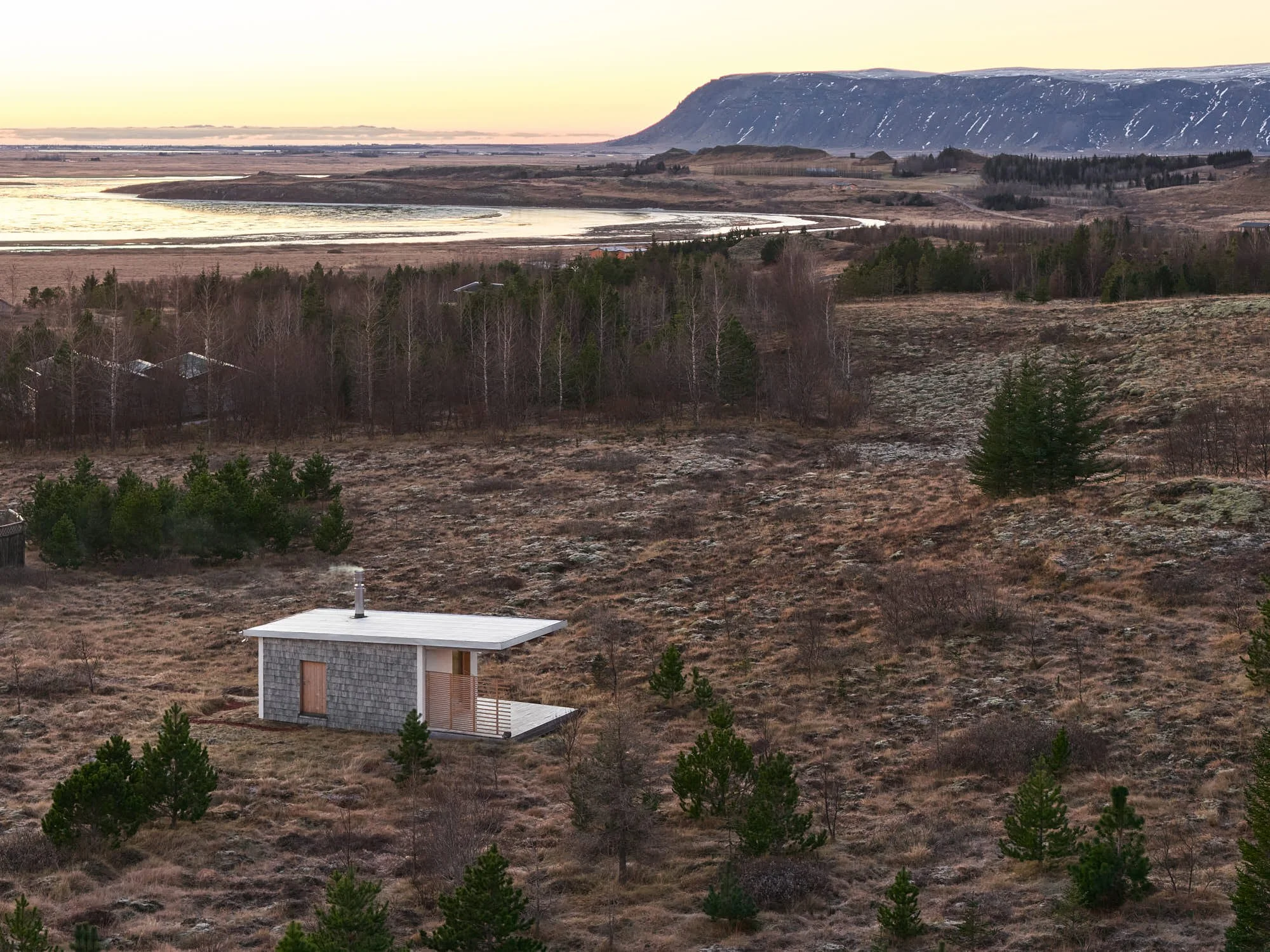
Grímsnes 2023-2026
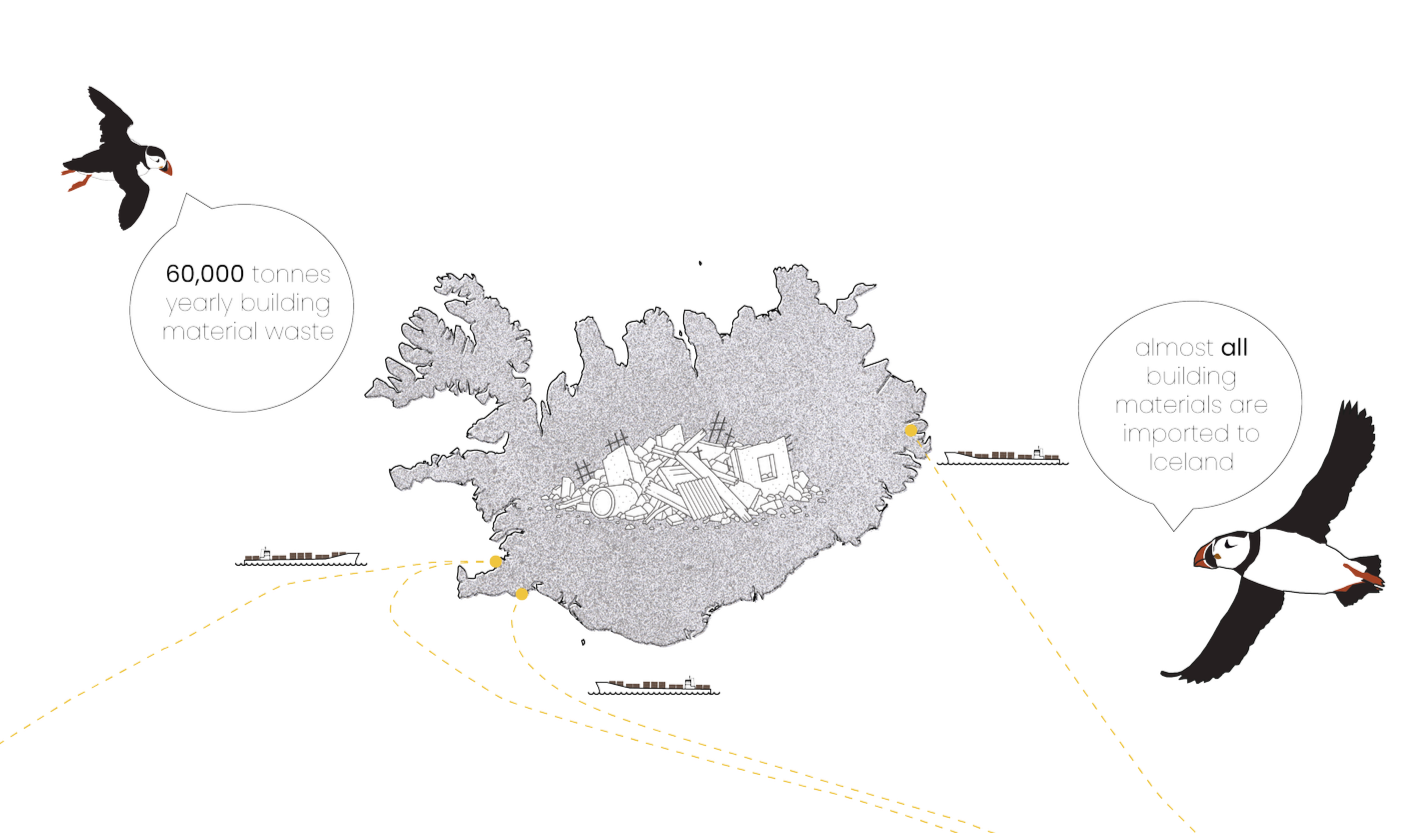
Around 80% of buildings in Iceland are made of concrete and almost all building materials are imported.
What does it take to build with natural, locally available materials here?
This is a story about about a self-initiated project exploring this question.
FINDING A PLACE IN THE LANDSCAPE
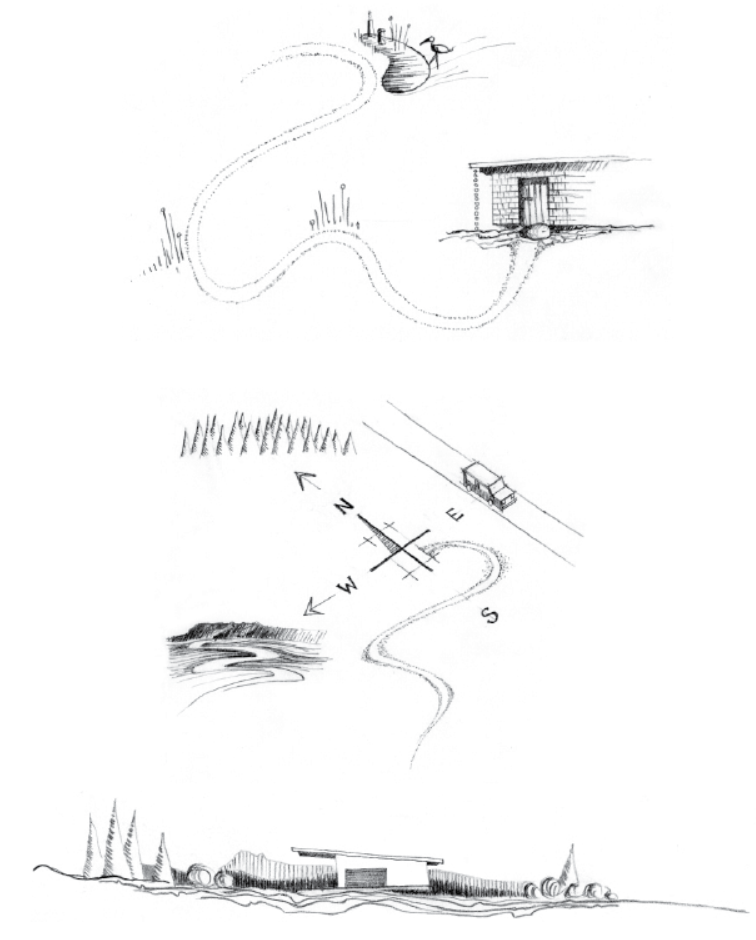
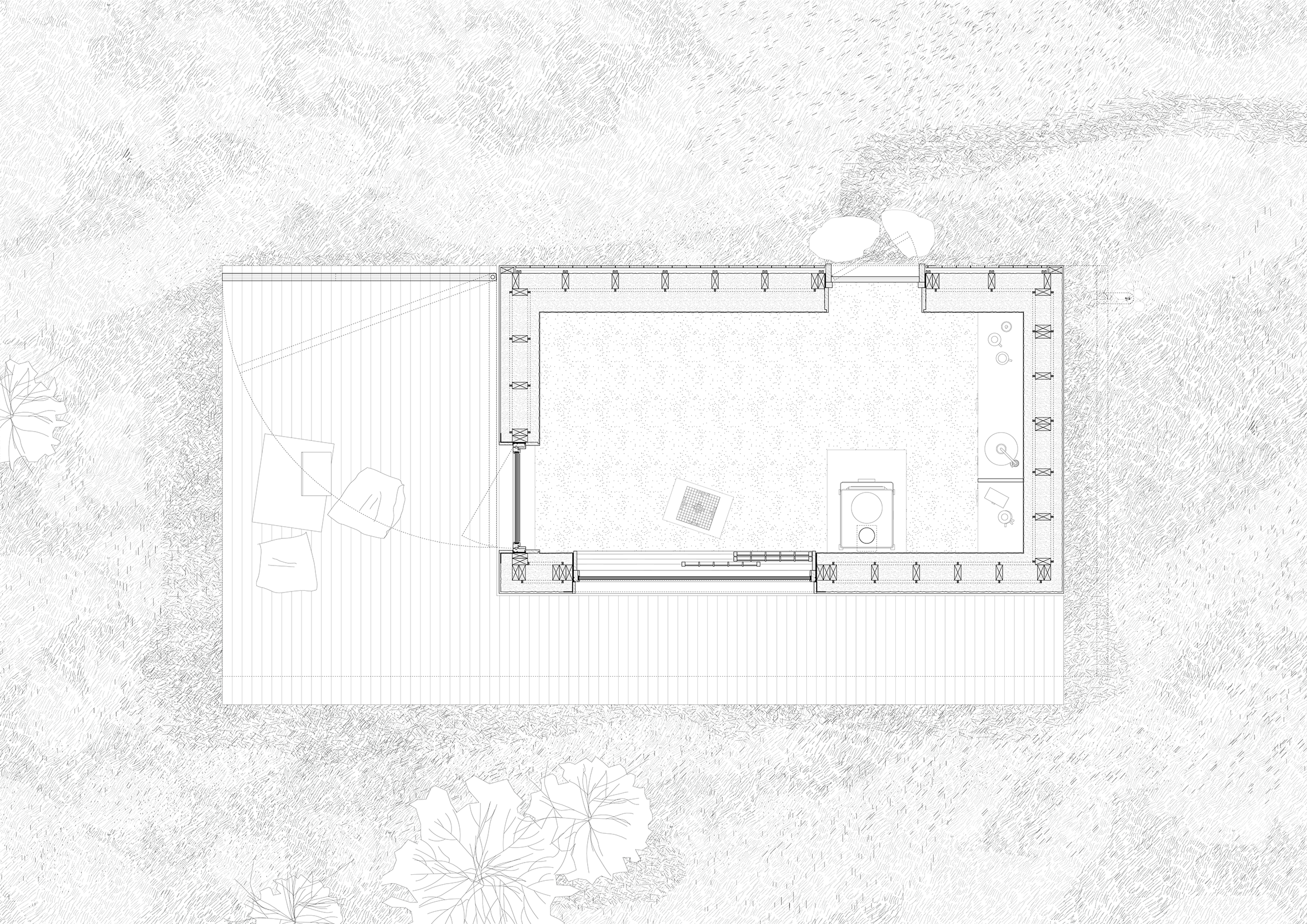
The site for the building was chosen to minimise disturbance to the ground and create a close relationship with its surroundings. The approach begins at a small pond where wading birds often gather during the summer. From there, a path leads through the heathland towards the building.
The entrance is approached from the east, where the building turns its back to the prevailing weather and the nearby road. Here, the roof is also at its lowest, requiring visitors to bow their heads as they enter.
SÁLUHÚS
Built as a research instrument, the building is also to us, a sáluhús, literally “a house for the soul”. A small, personal space in which to be alone or with a few others. It has begun to gather stories of its own and has room for those that visitors bring with them.
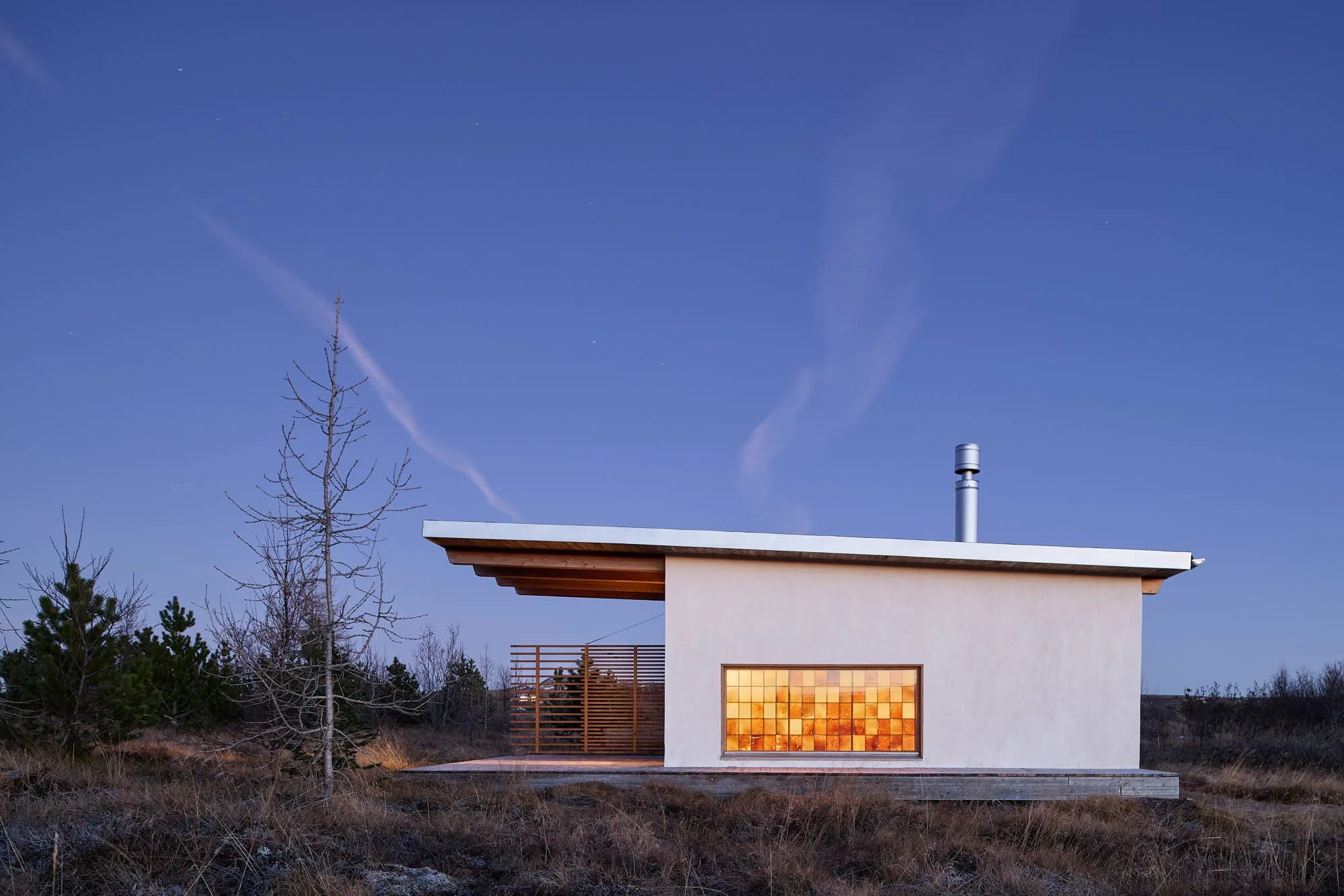
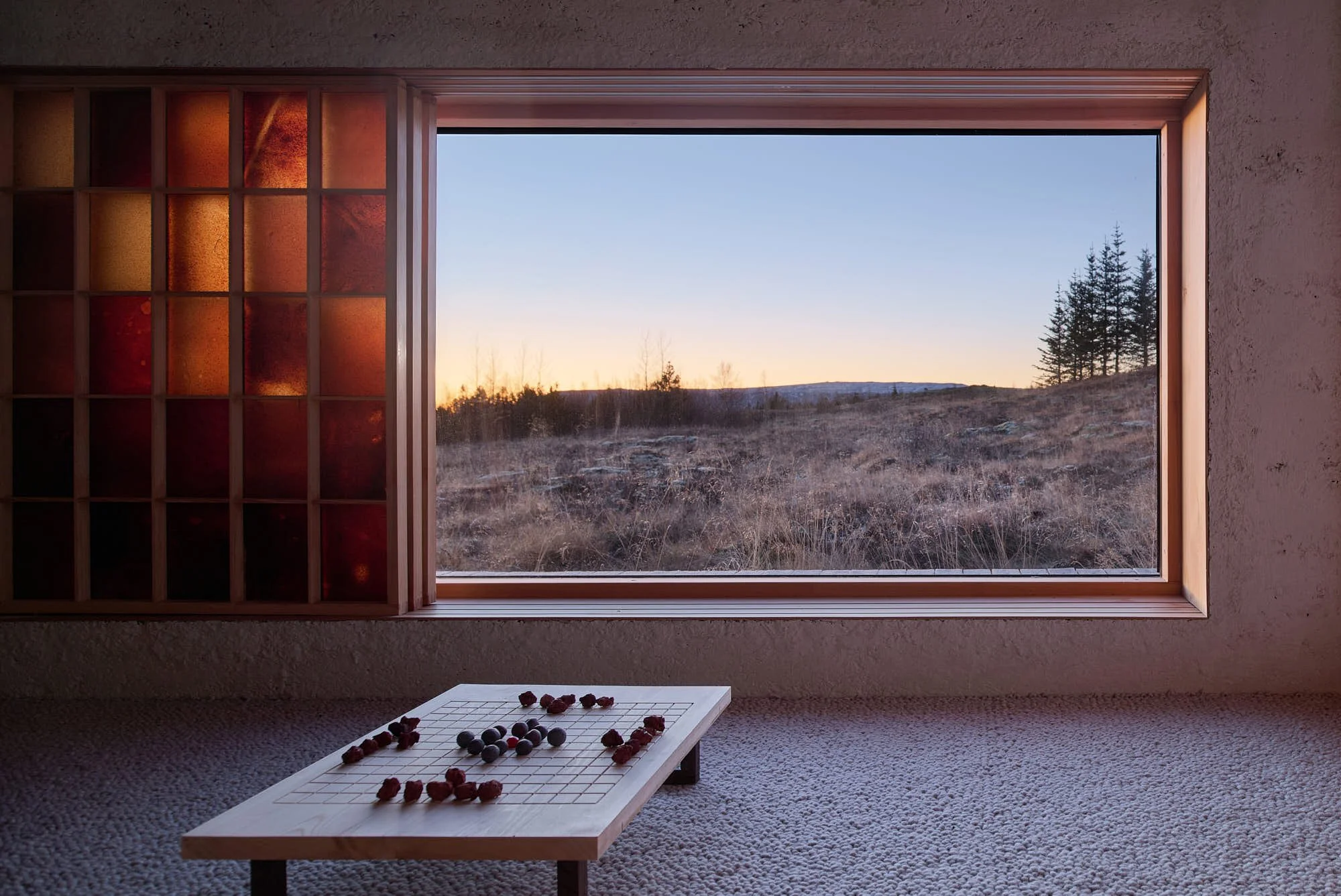
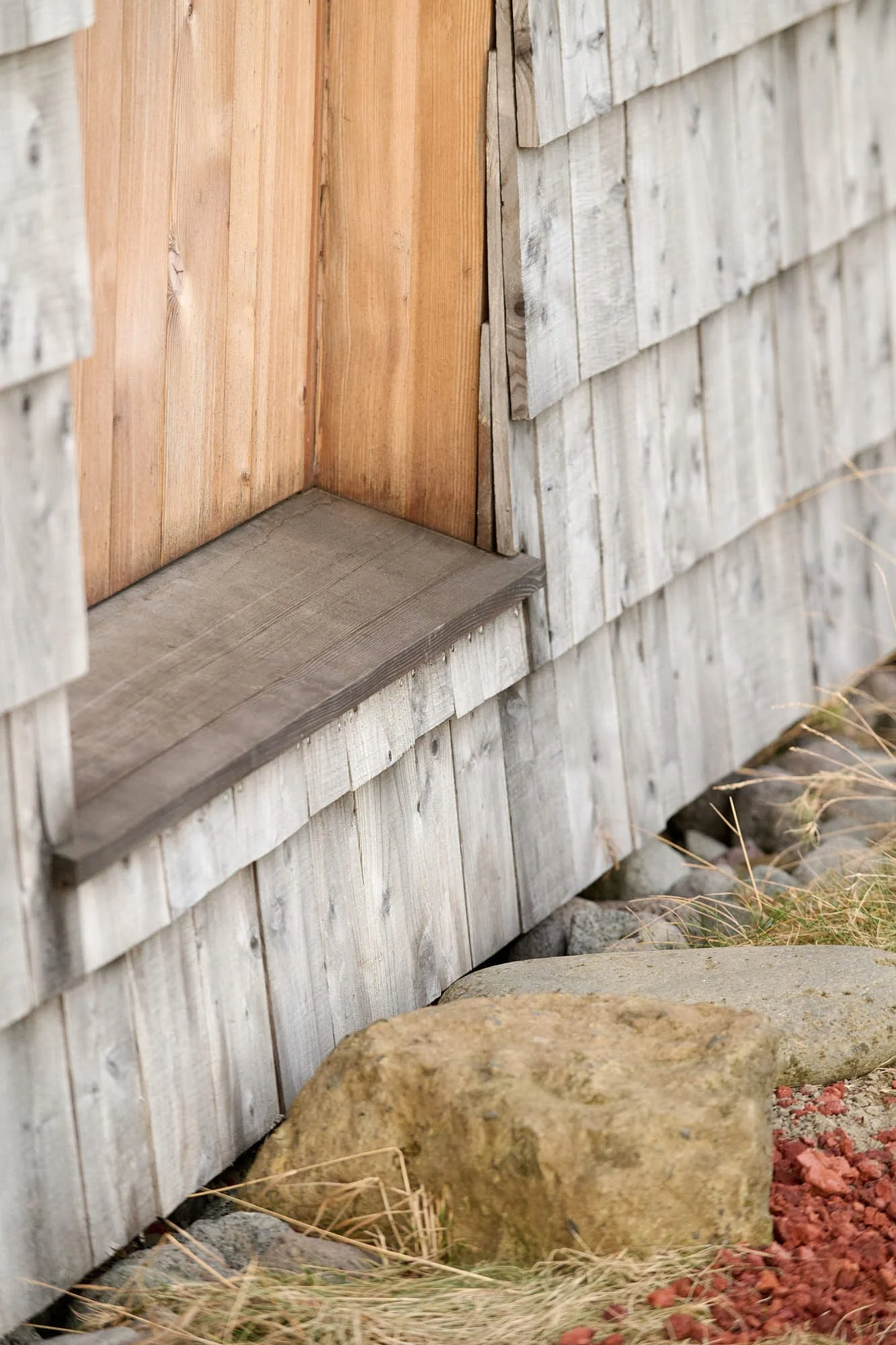
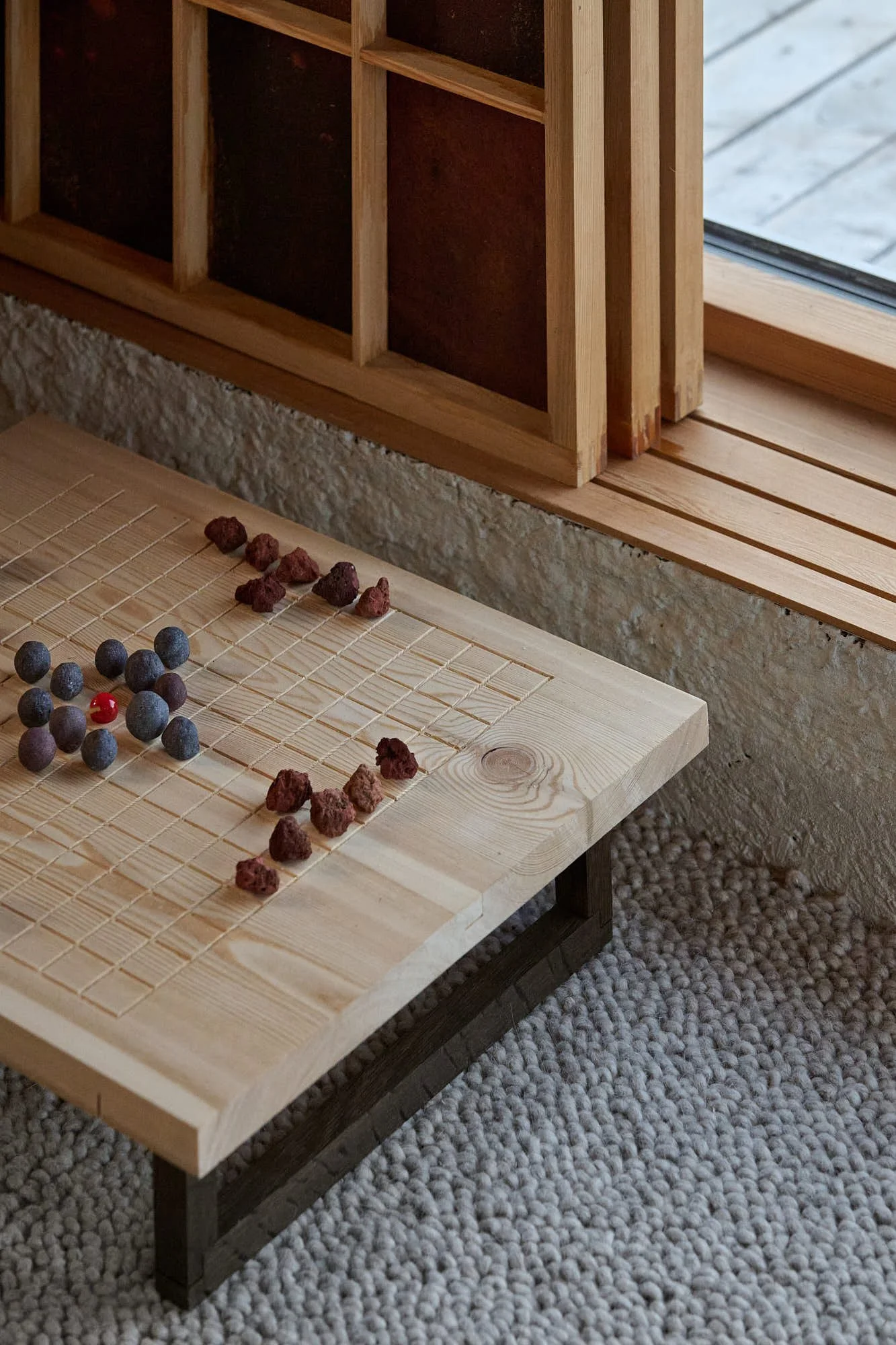
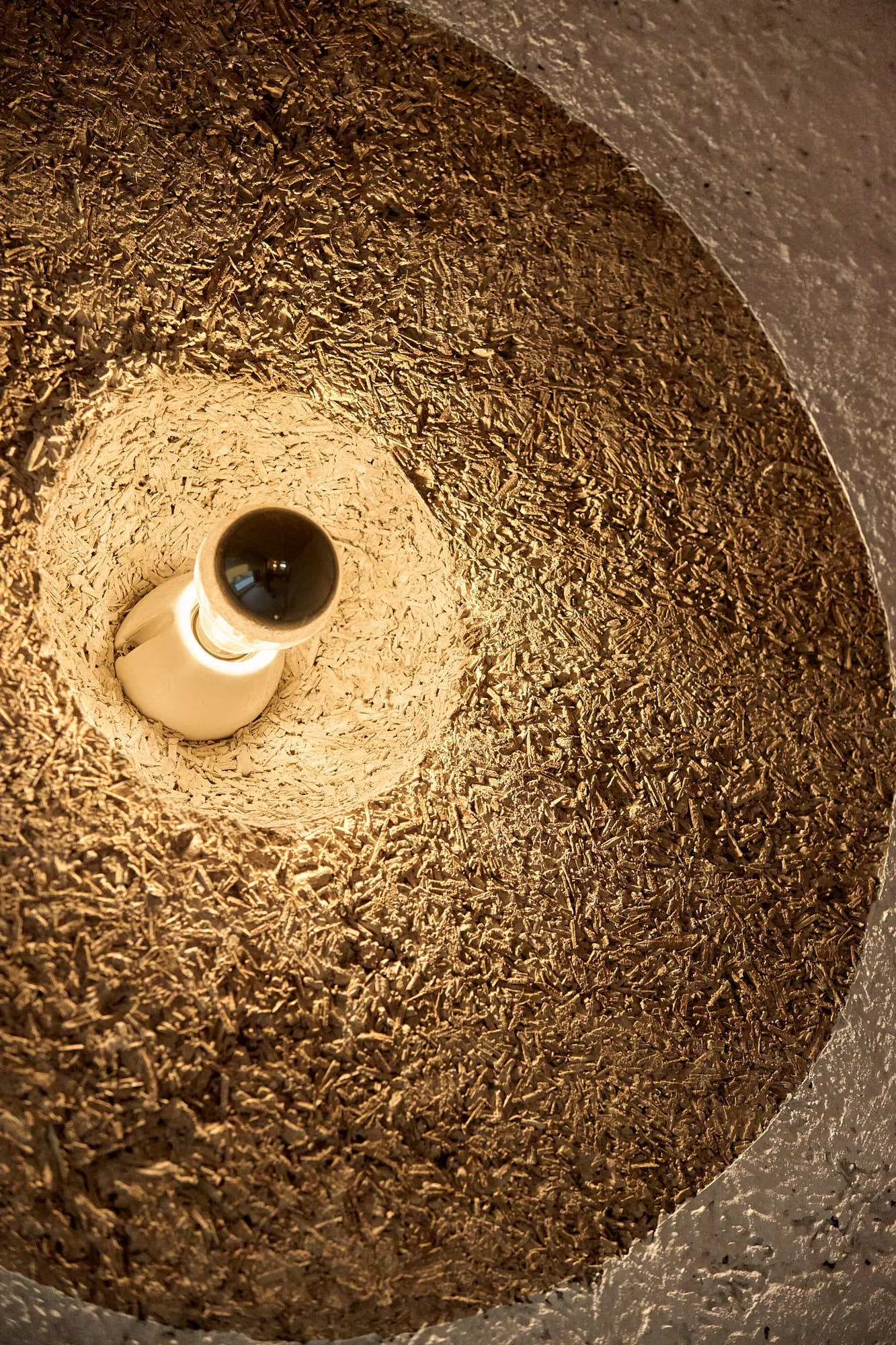
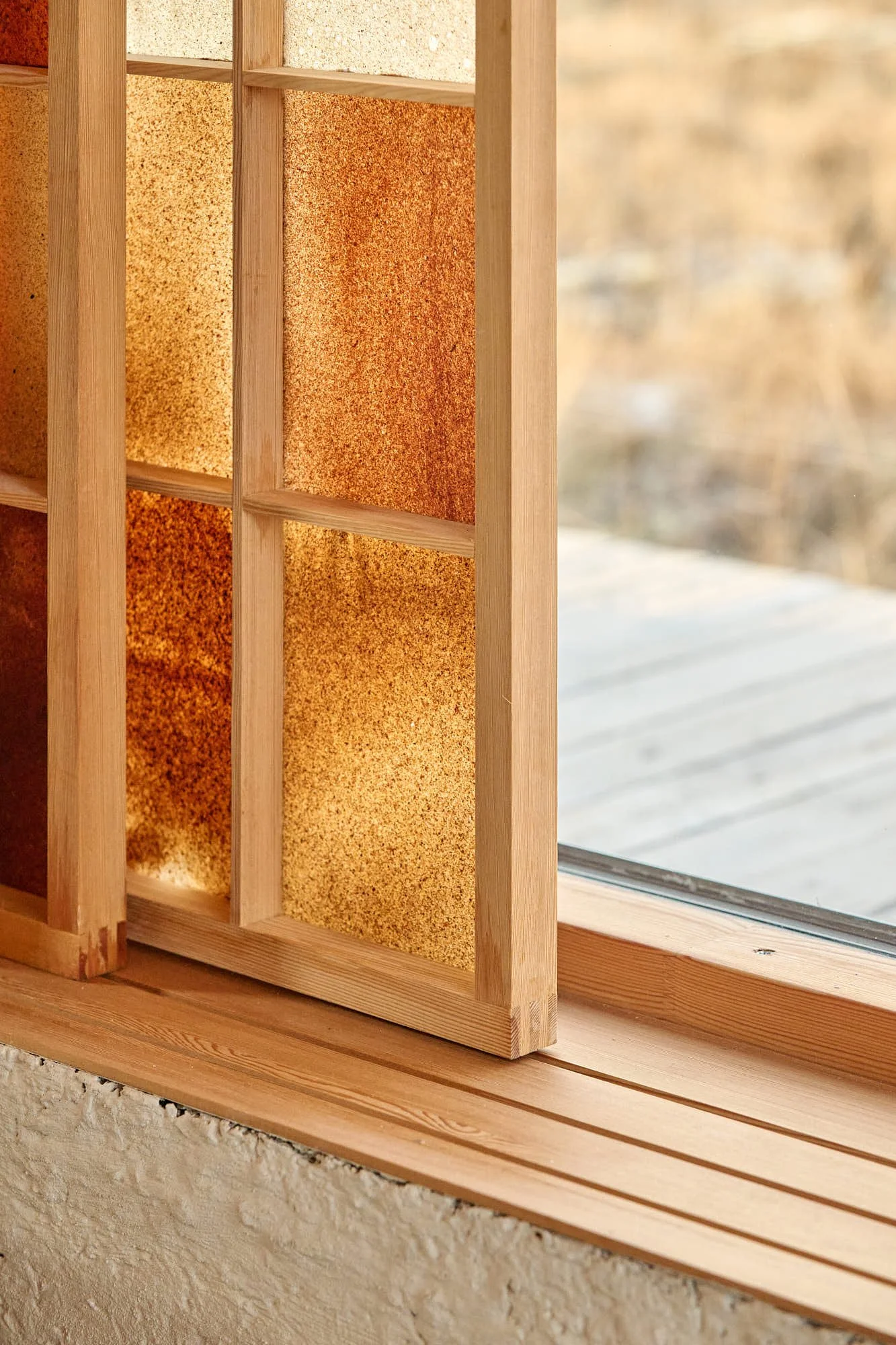
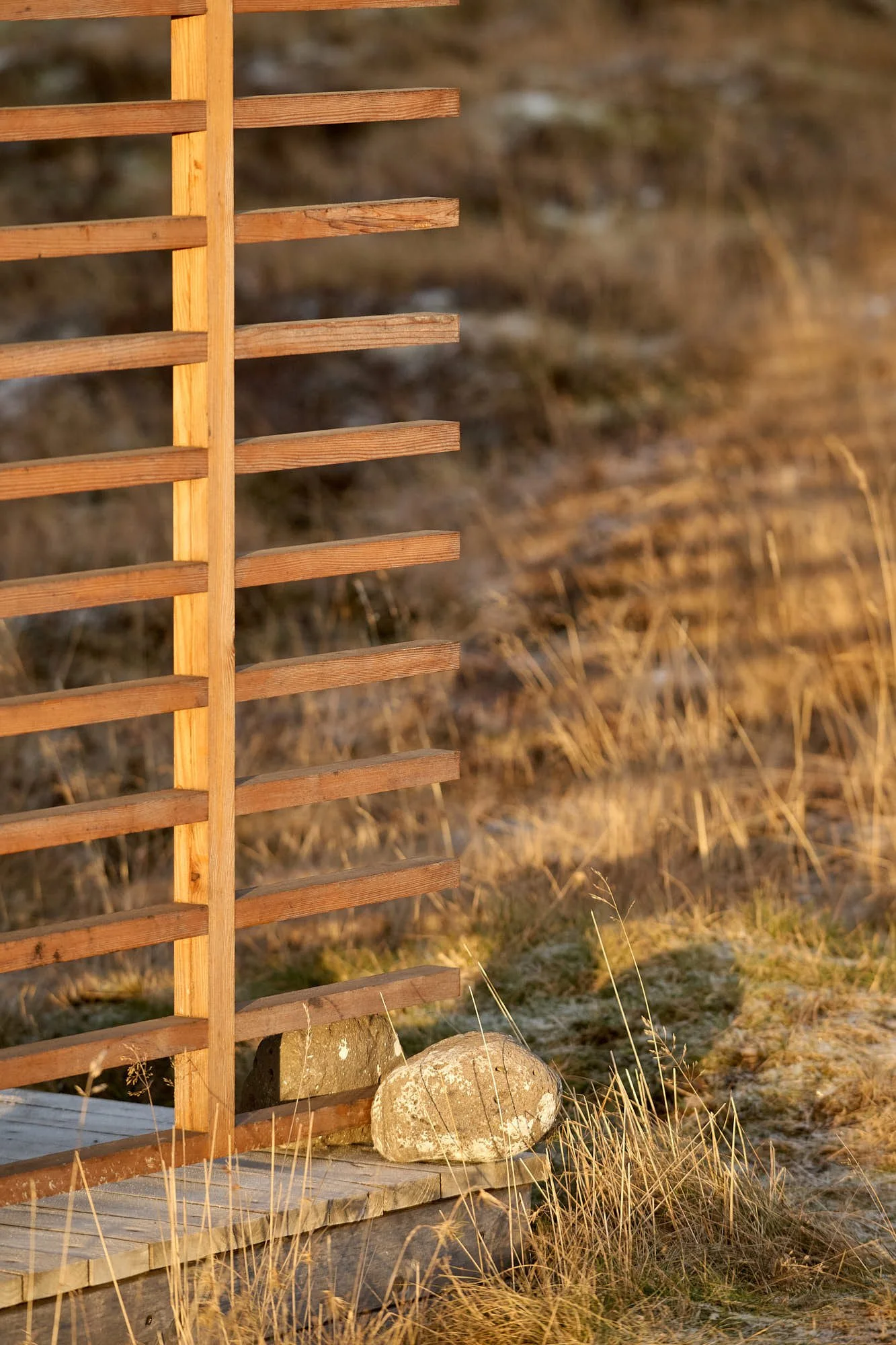
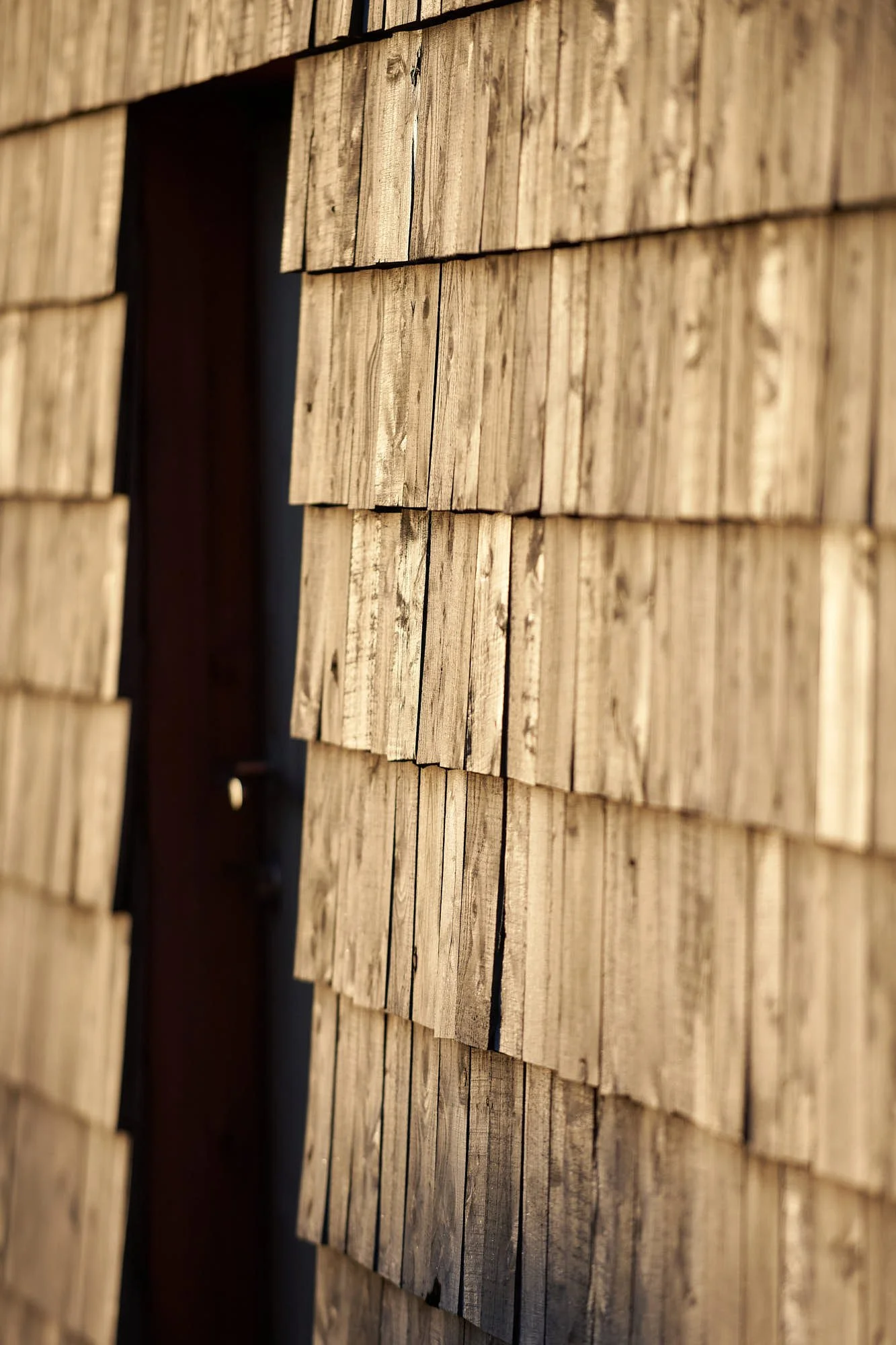
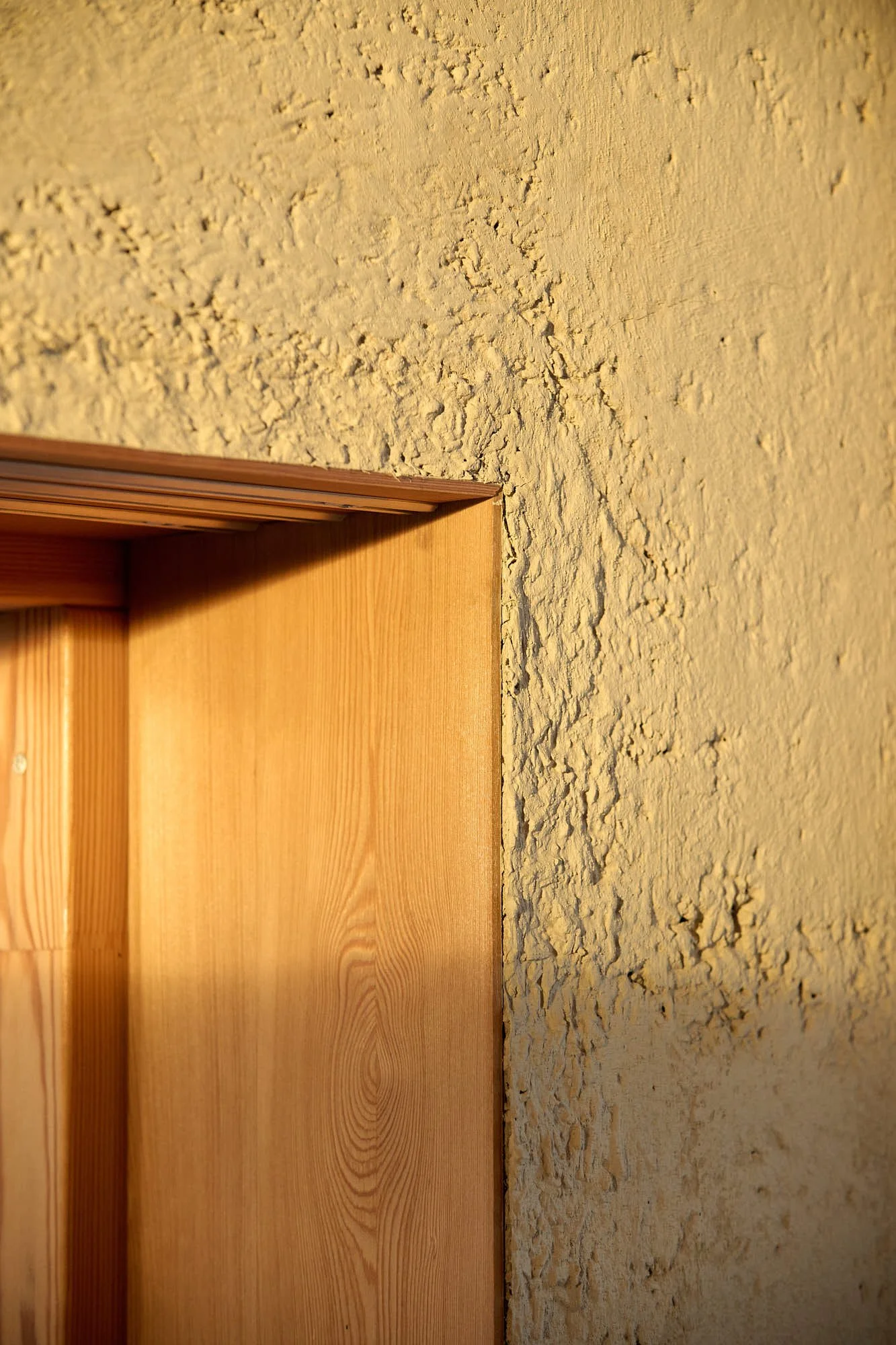
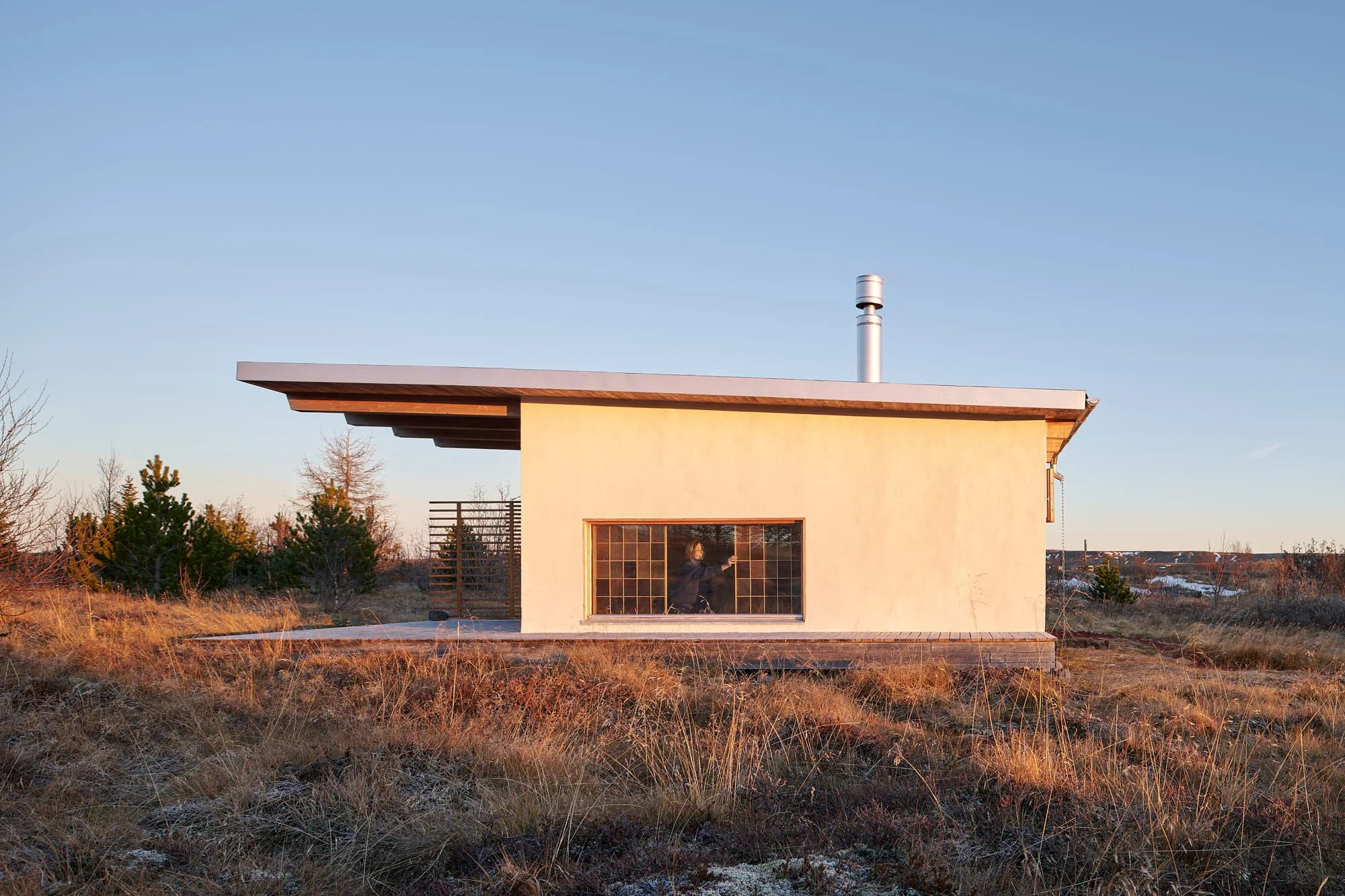
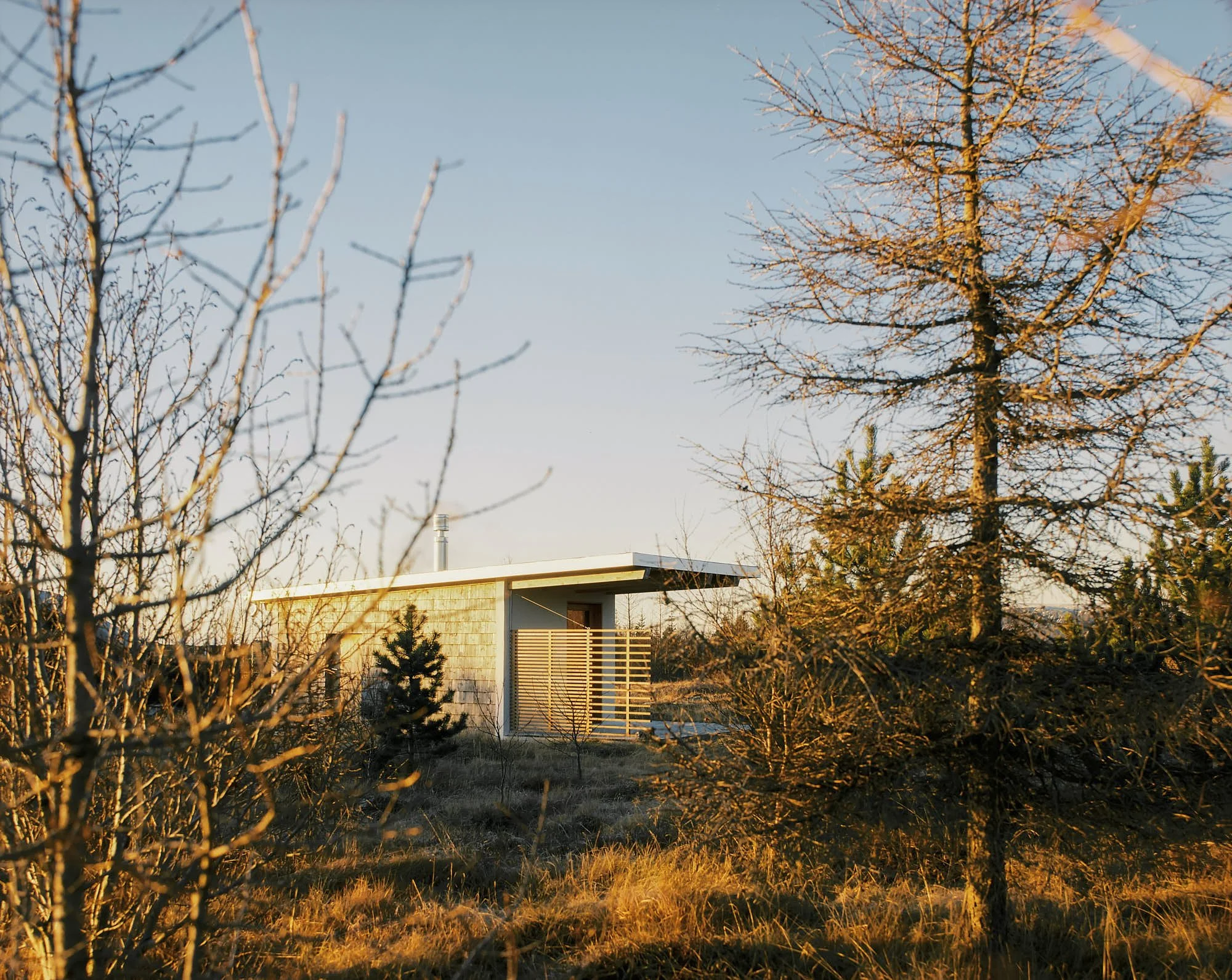
An autumn day in the sáluhús. Film by Studio CAPN.
Saviour ships
THE CONCRETE ISLAND
The experiment with one small building revealed a much larger system. The search for locally available building materials led to questions about imports, raw materials, waste and the material culture on which the Icelandic construction industry is built.

Excerpt from The concrete island: transmission short film for the biobuilding DesignMarch exhibition in 2023.
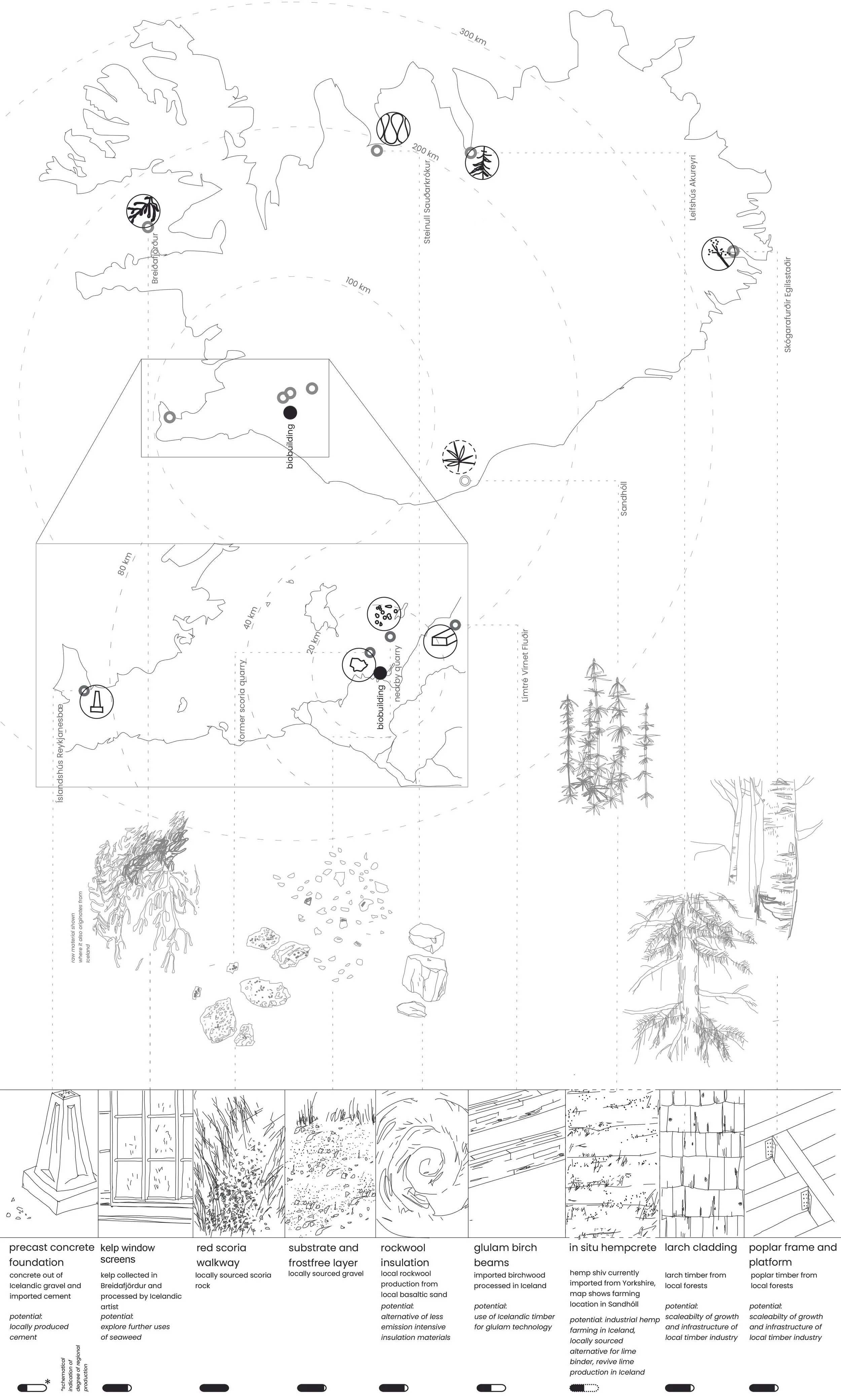
HOW LOCAL CAN A BUILDING BE ON A CONCRETE ISLAND?
The aim was to use local, natural and reusable materials as far as possible. The search itself quickly proved to be as important as the outcome.
What is actually produced here? Where can it be sourced? What needs to be imported? And why is this information so difficult to find?
The chicken-and-egg problem quickly became apparent: which comes first, the cultivation of industrial hemp or a market for the material?
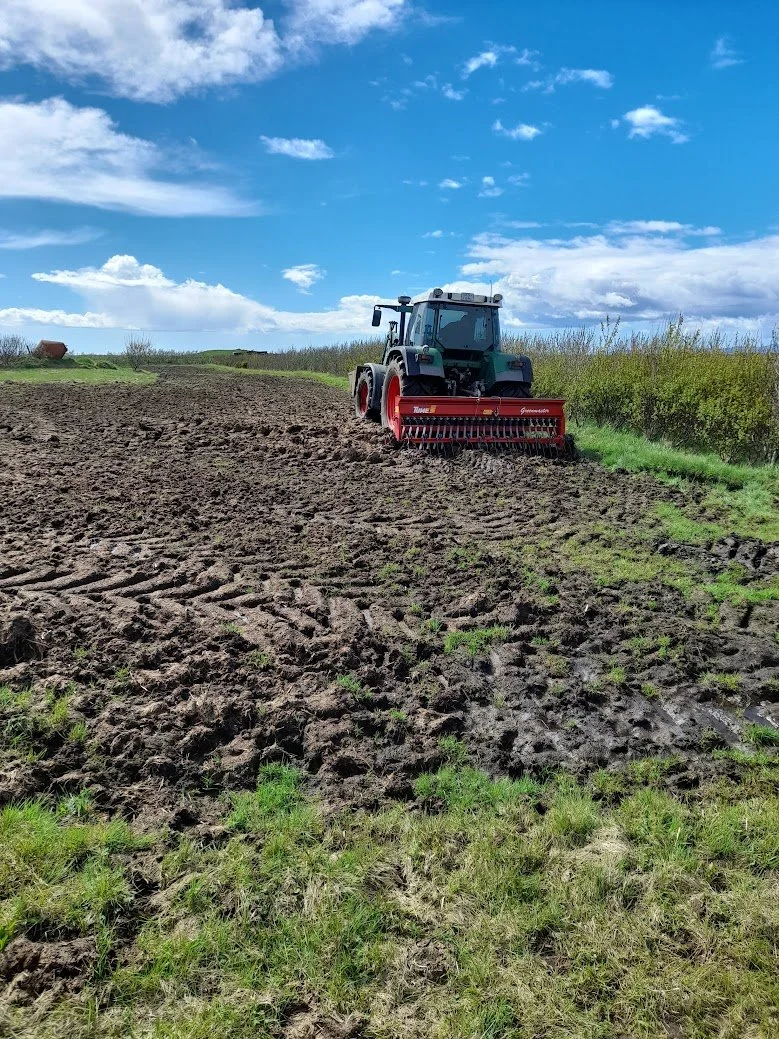
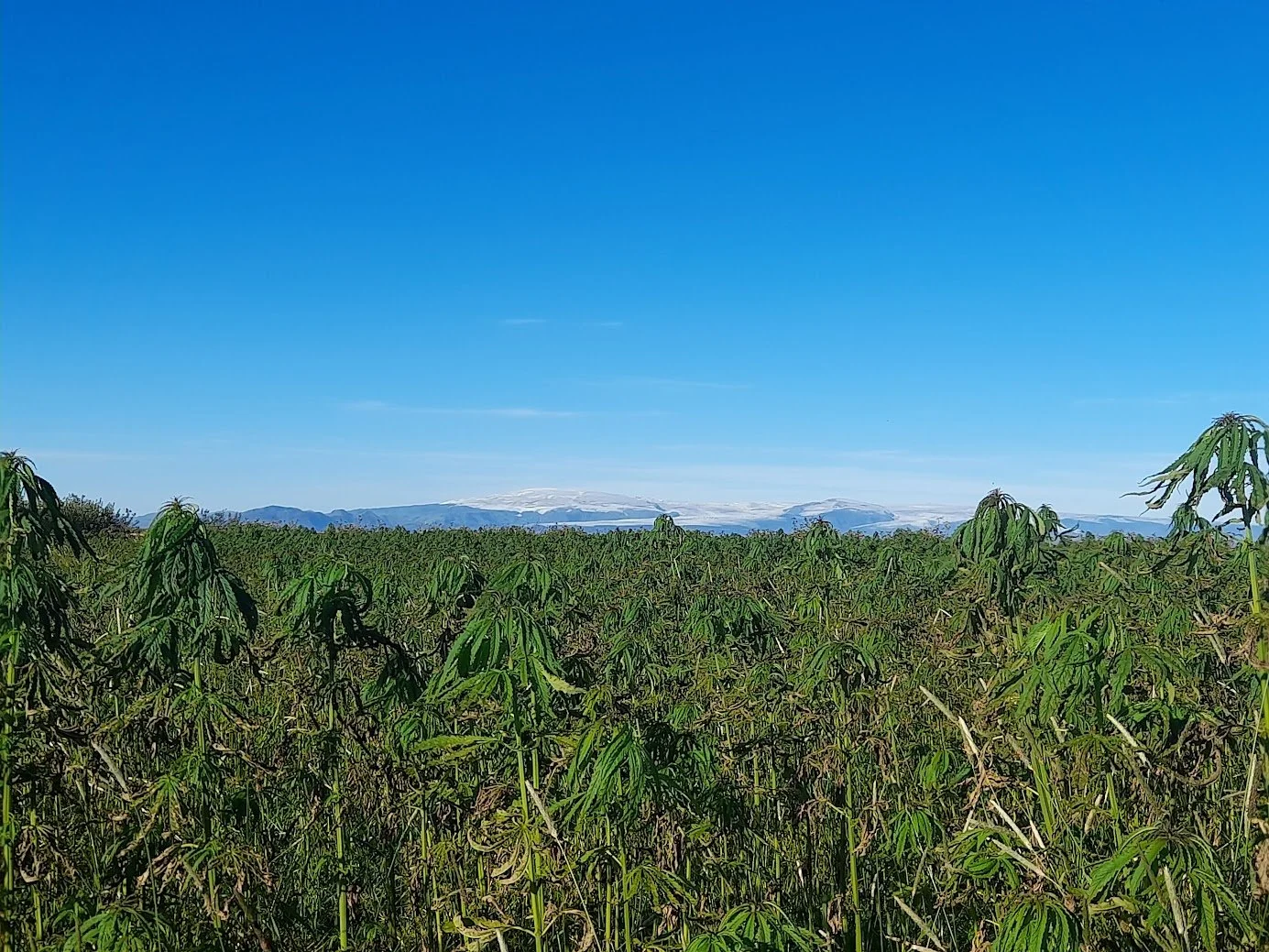
Industrial hemp was grown in Sandhóll to explore the journey from field to building material. The experiment revealed not only the potential of the raw material, but also the infrastructure and knowledge that need to be developed between cultivation and construction.
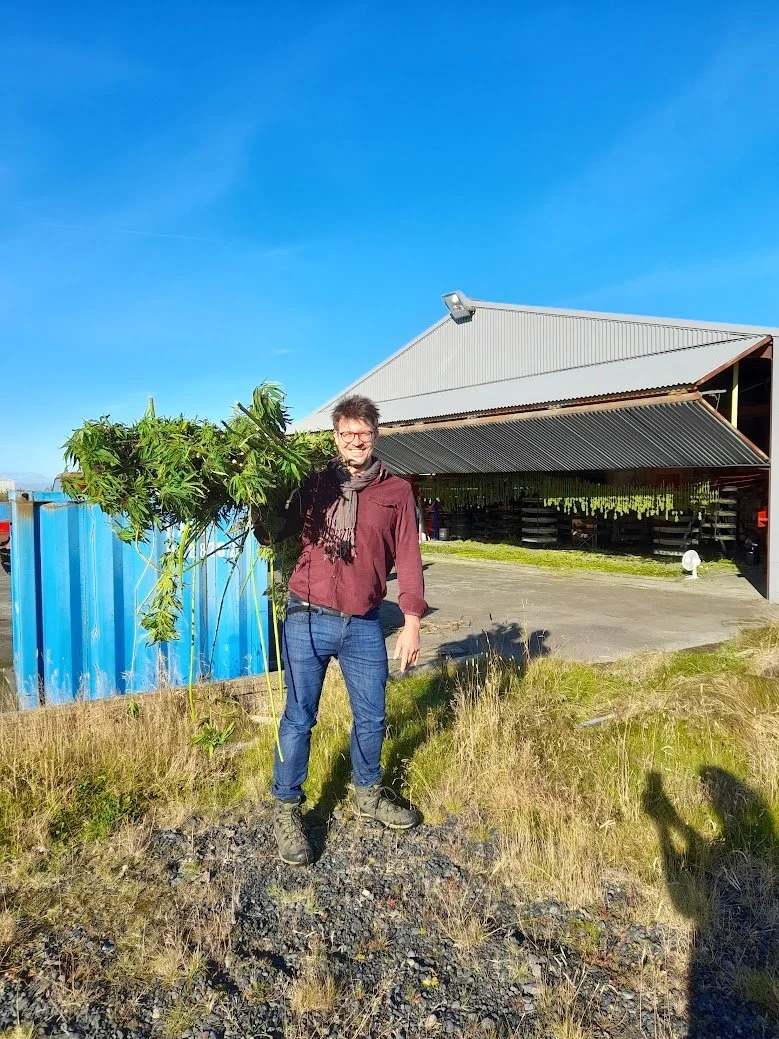
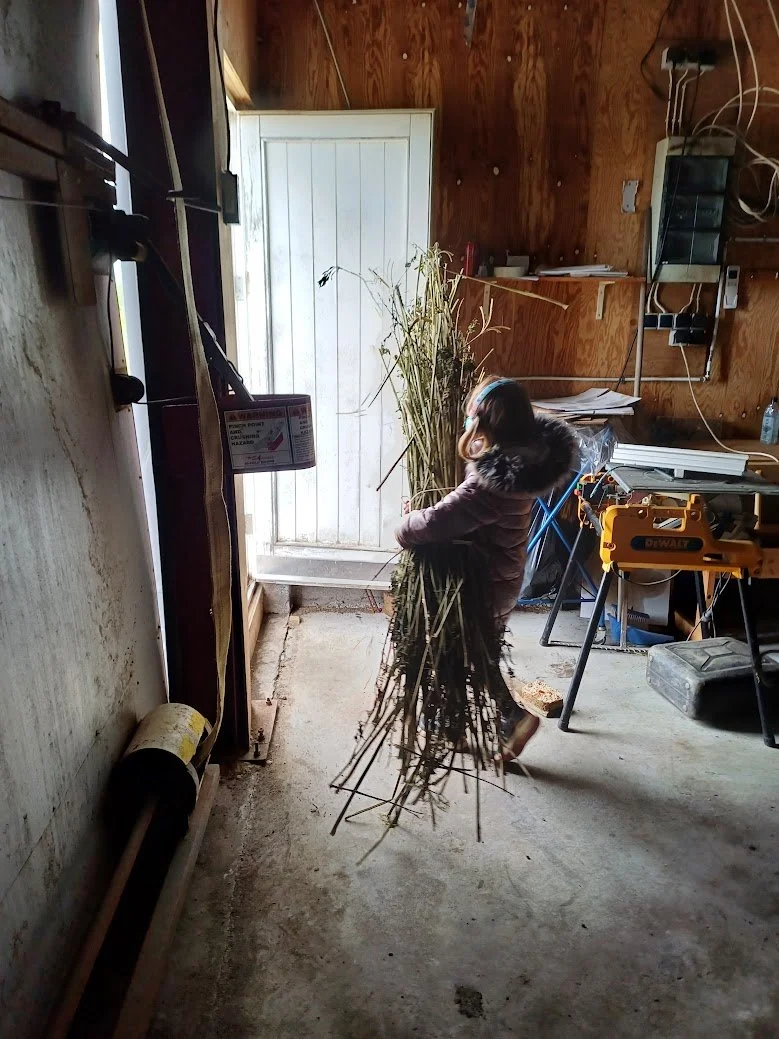
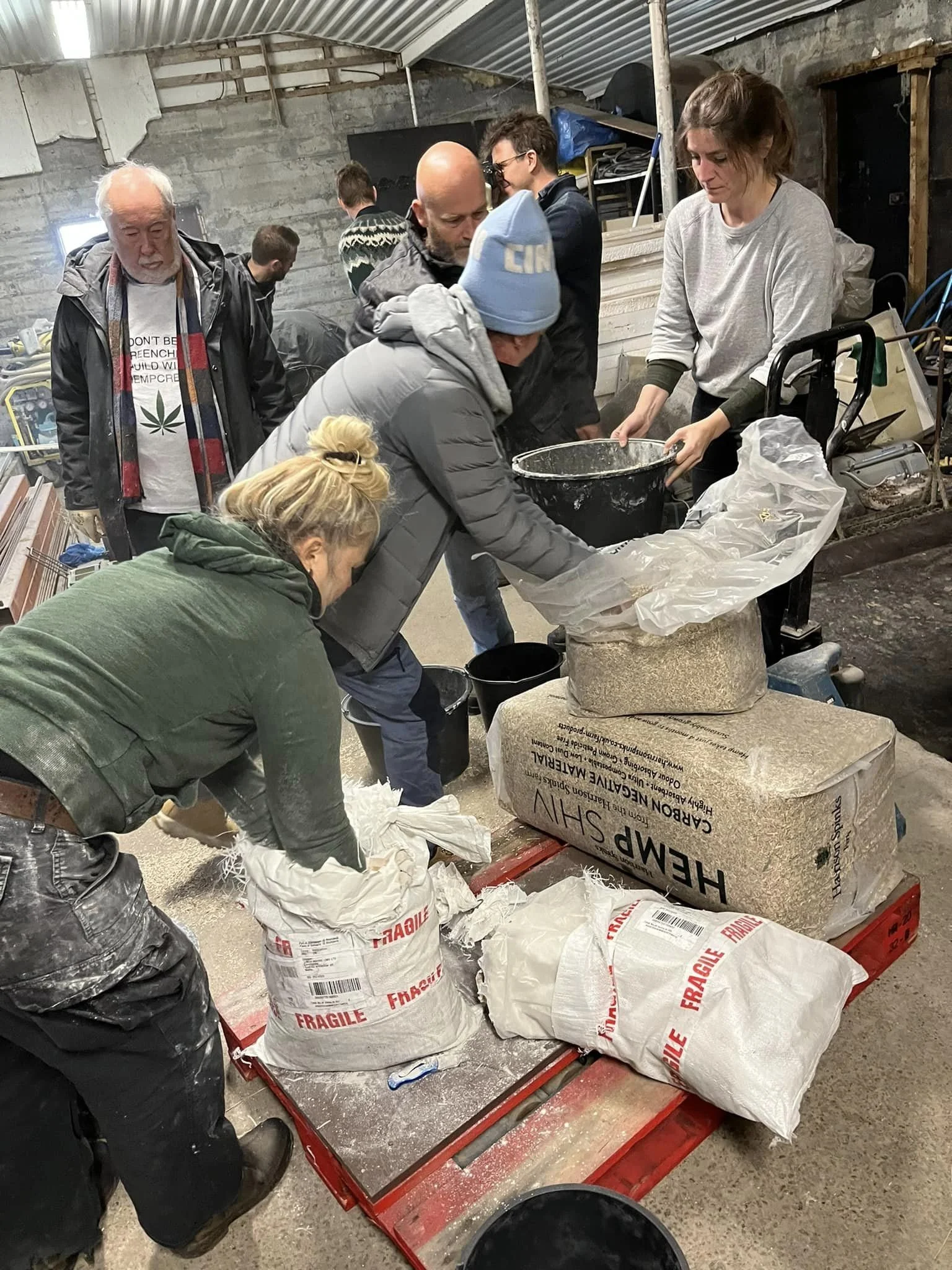
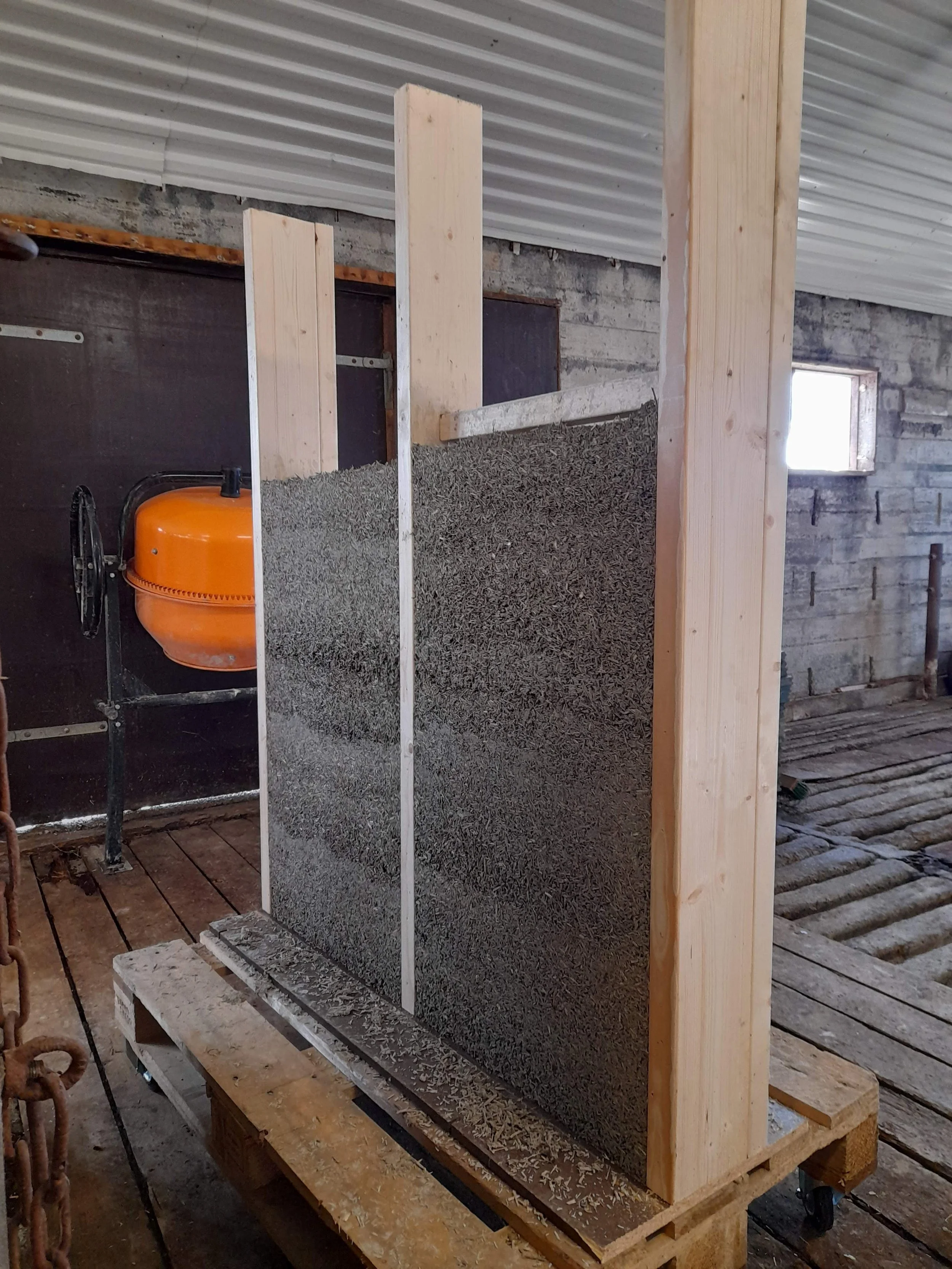
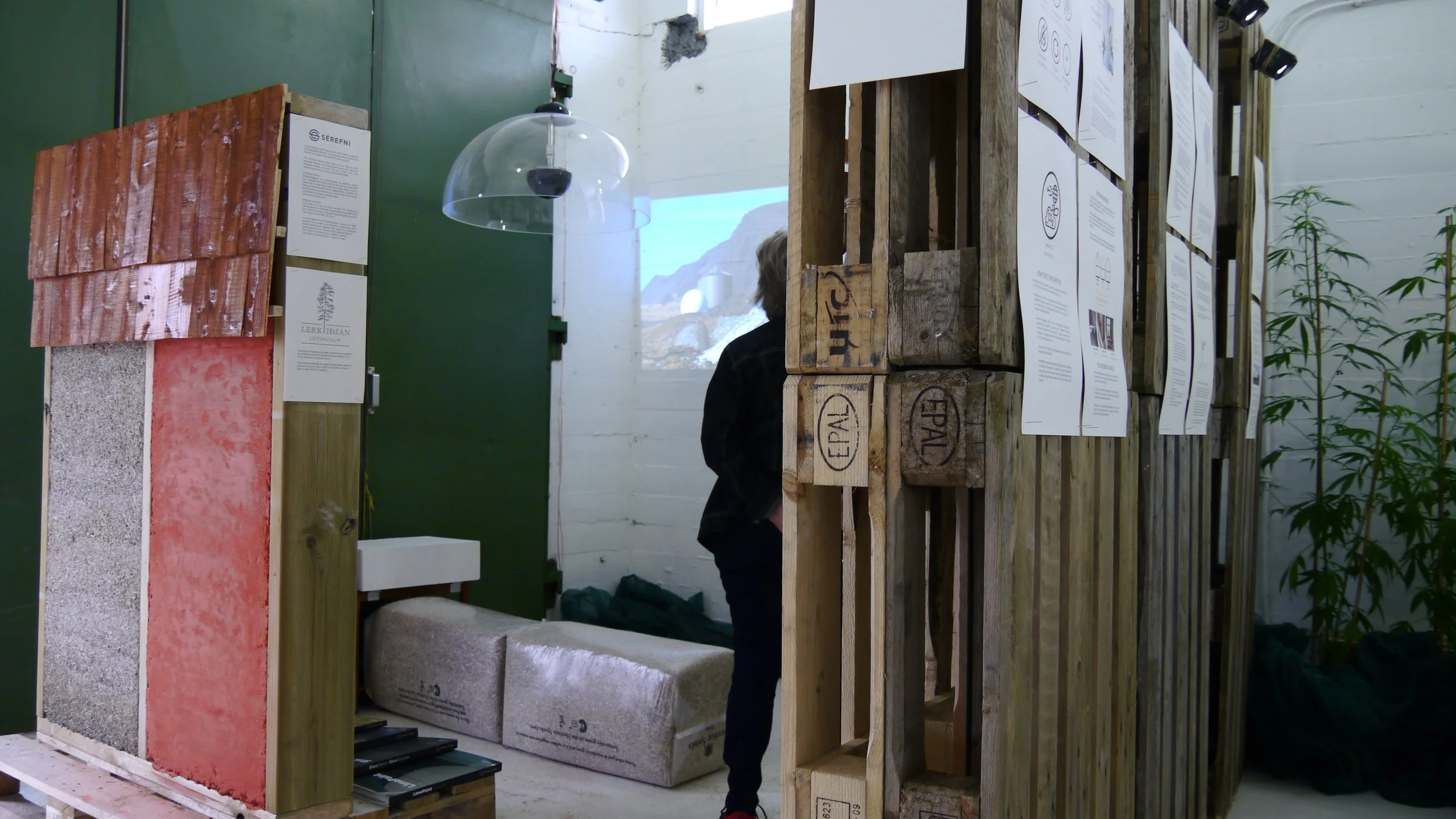
Biobuilding DesignMarch exhibition in 2023.
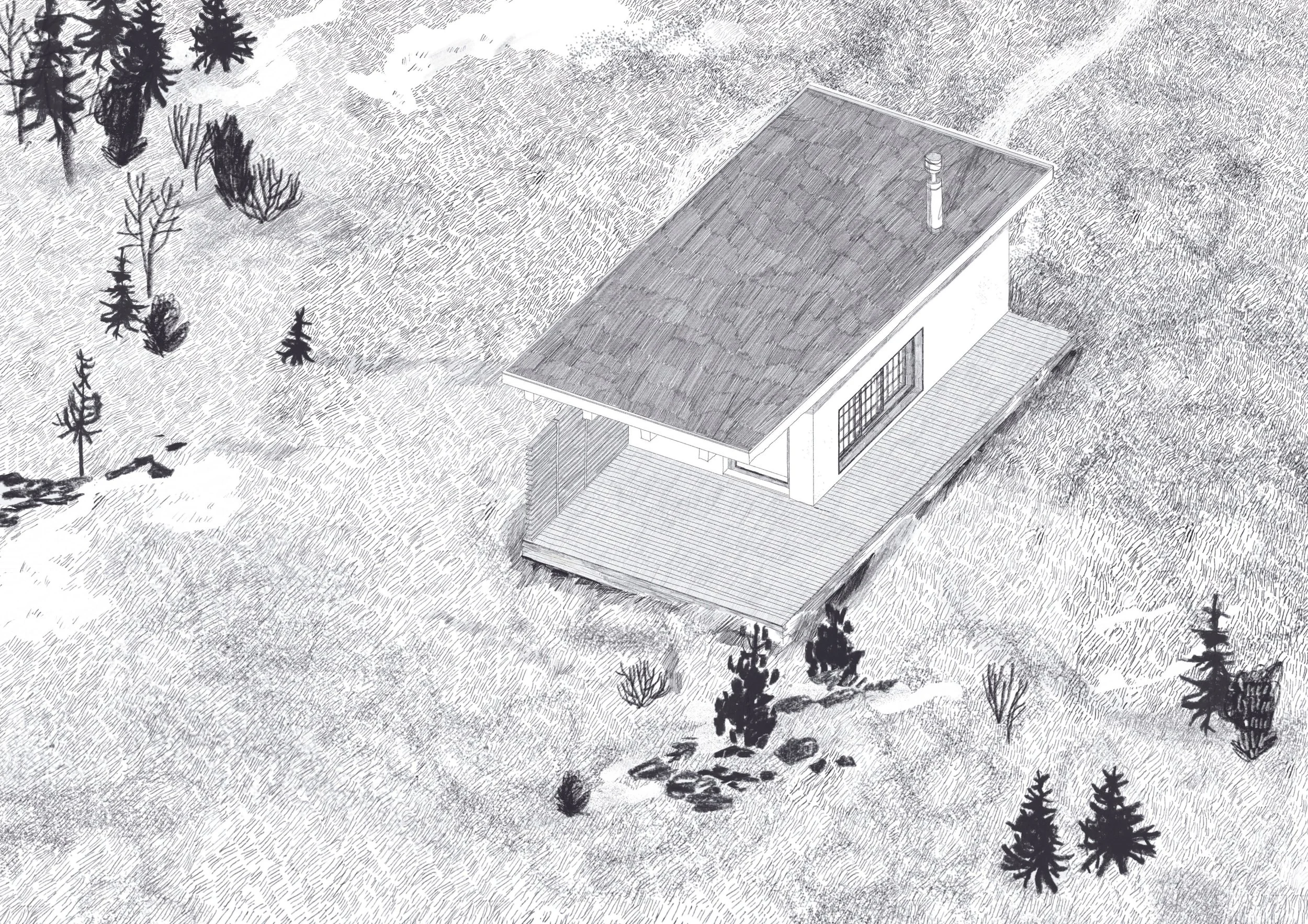
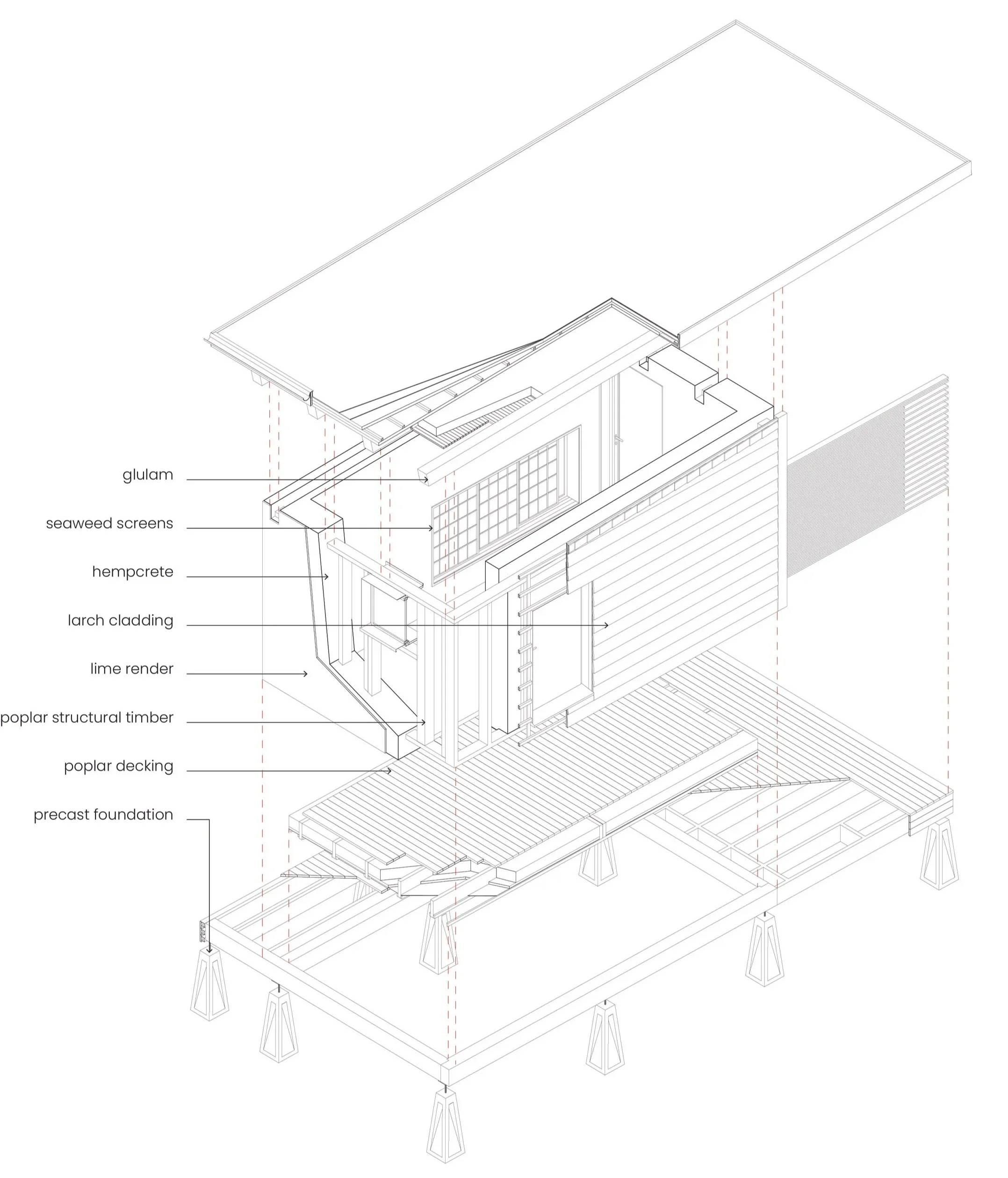
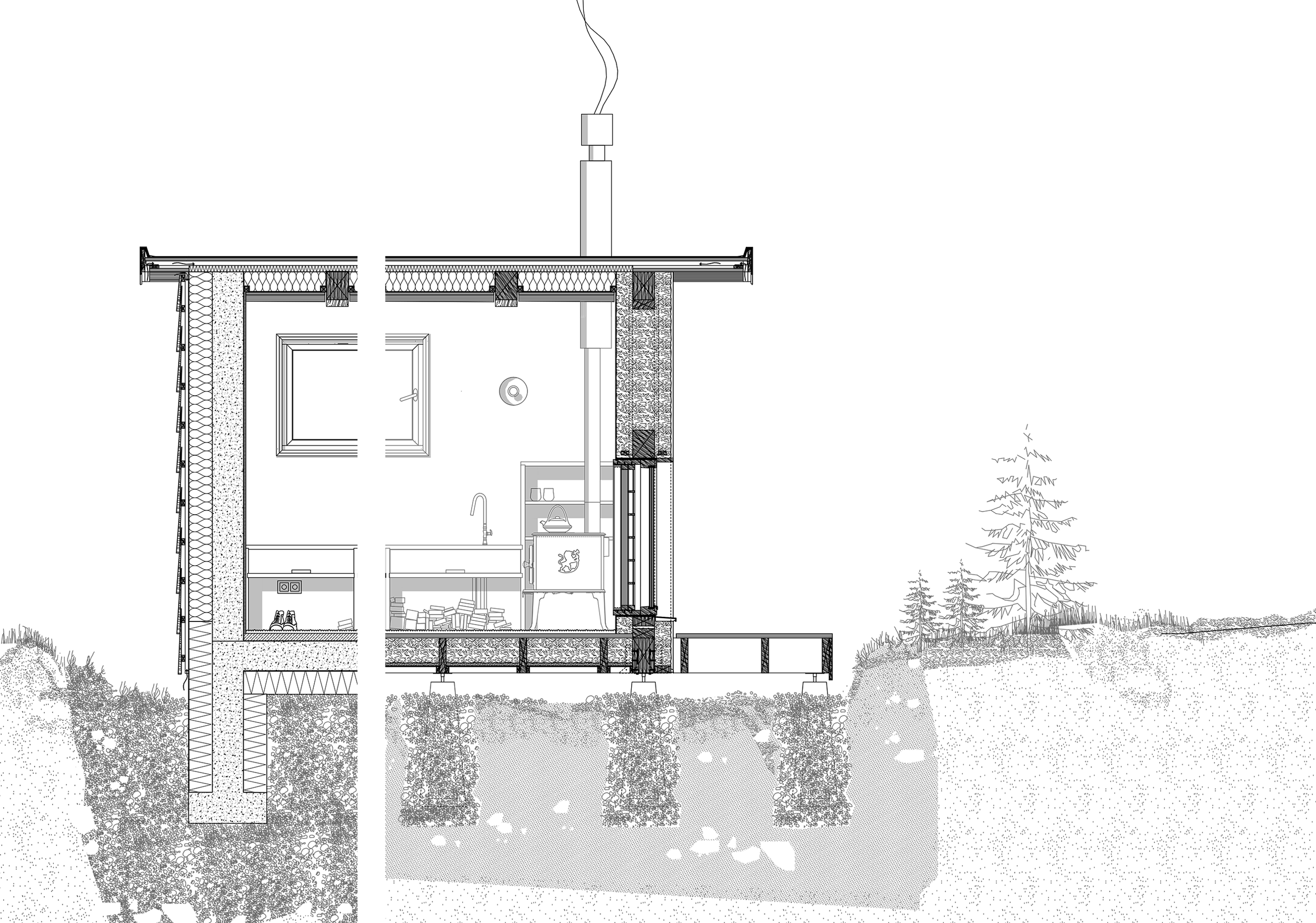
The house was built to test at full scale how far local and natural materials could carry a building in Iceland. It is a demonstrator rather than a prototype: a building in which materials and construction methods could be tested under real Icelandic conditions, their performance measured and what we learned shared with others.
Its small scale is not incidental. The hempcrete and Icelandic structural timber did not have the certification required for conventional construction subject to a building permit. Designing it as a small structure allowed us to test these materials under real conditions. The regulatory framework itself therefore became part of the research.
BUILDING TOGETHER
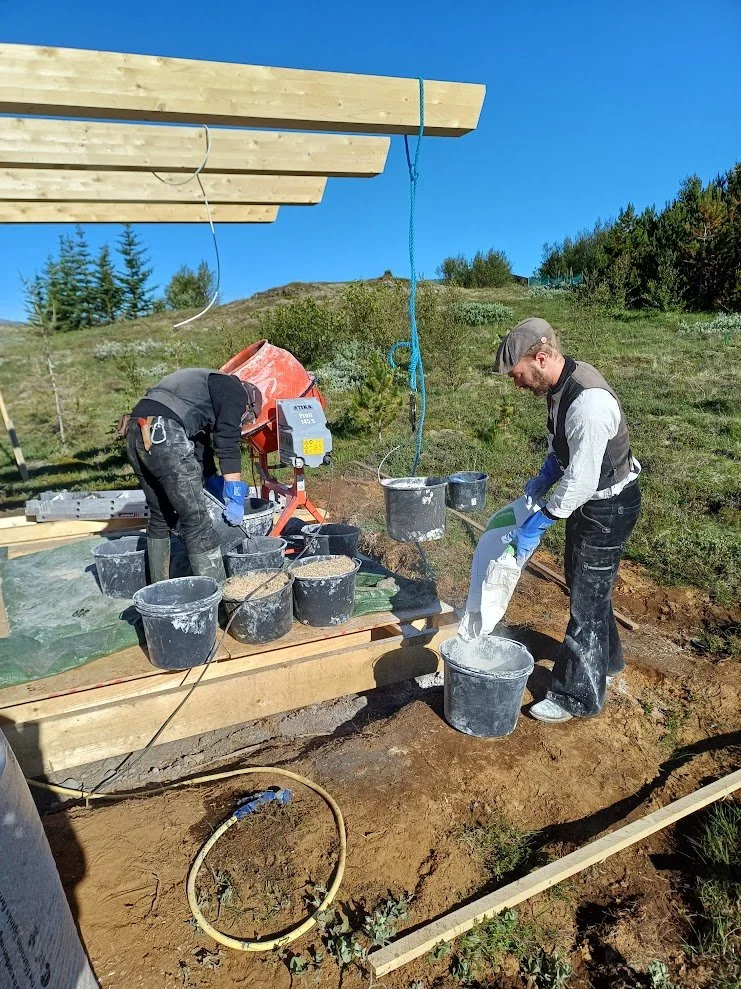
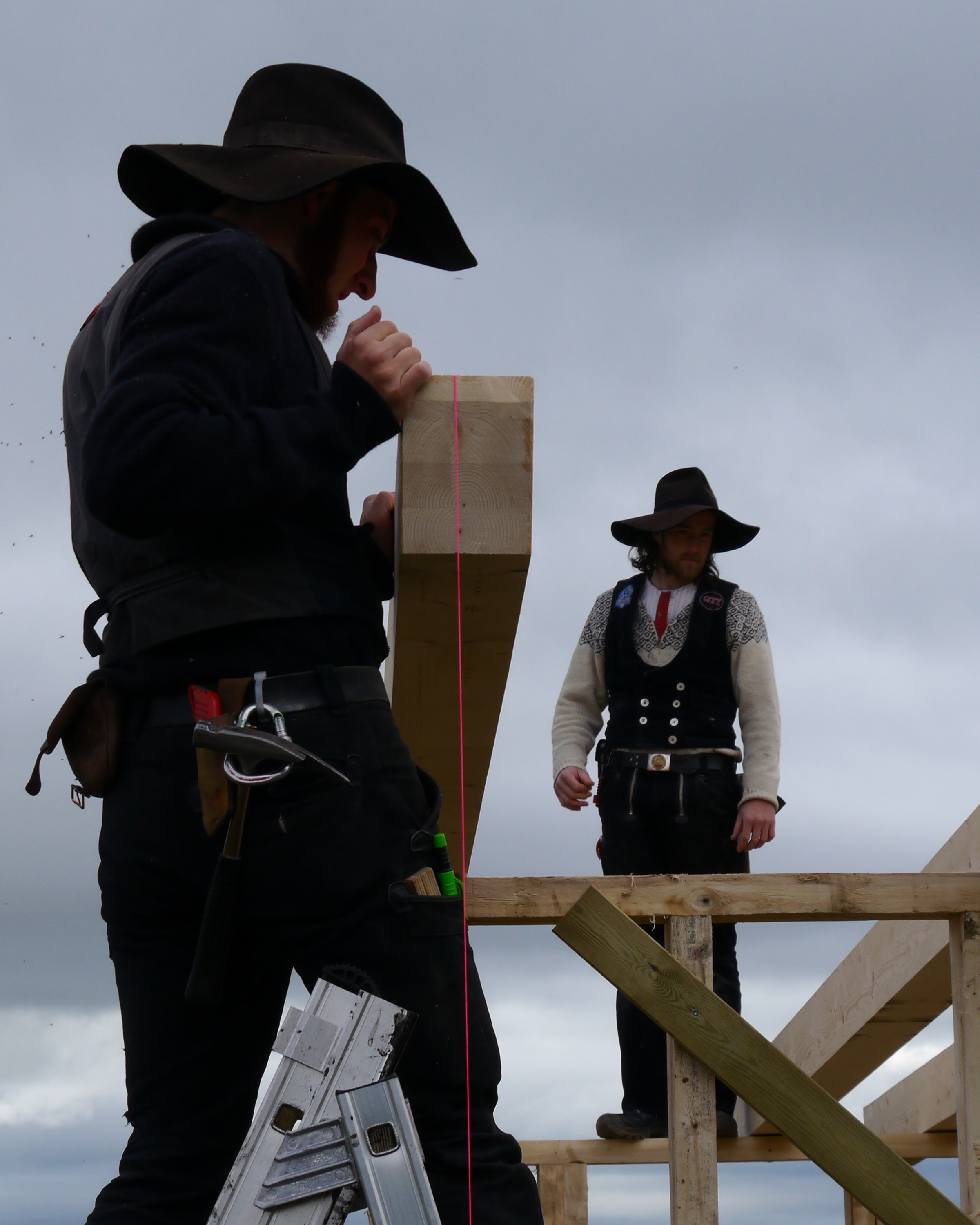
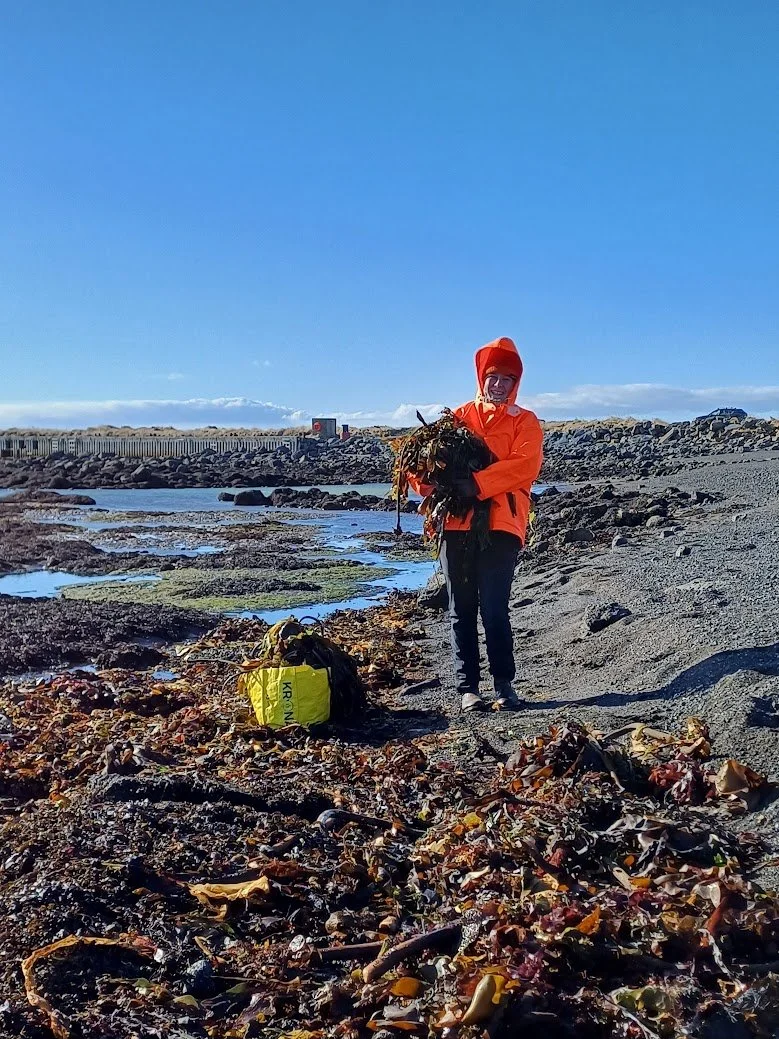
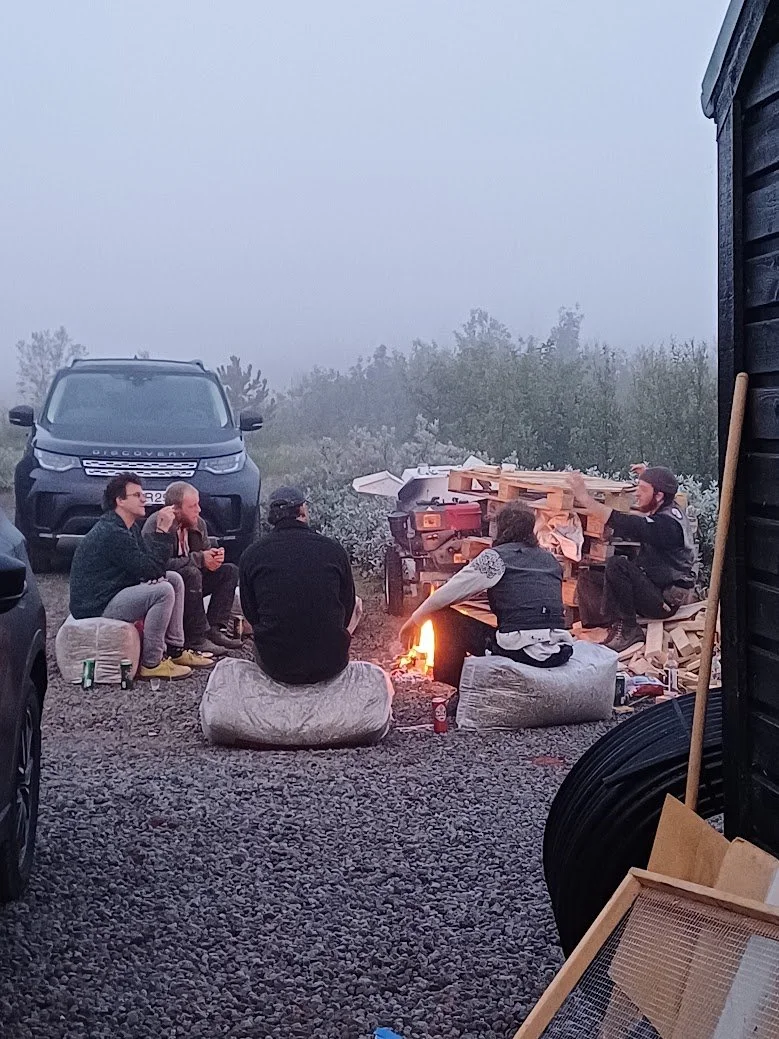
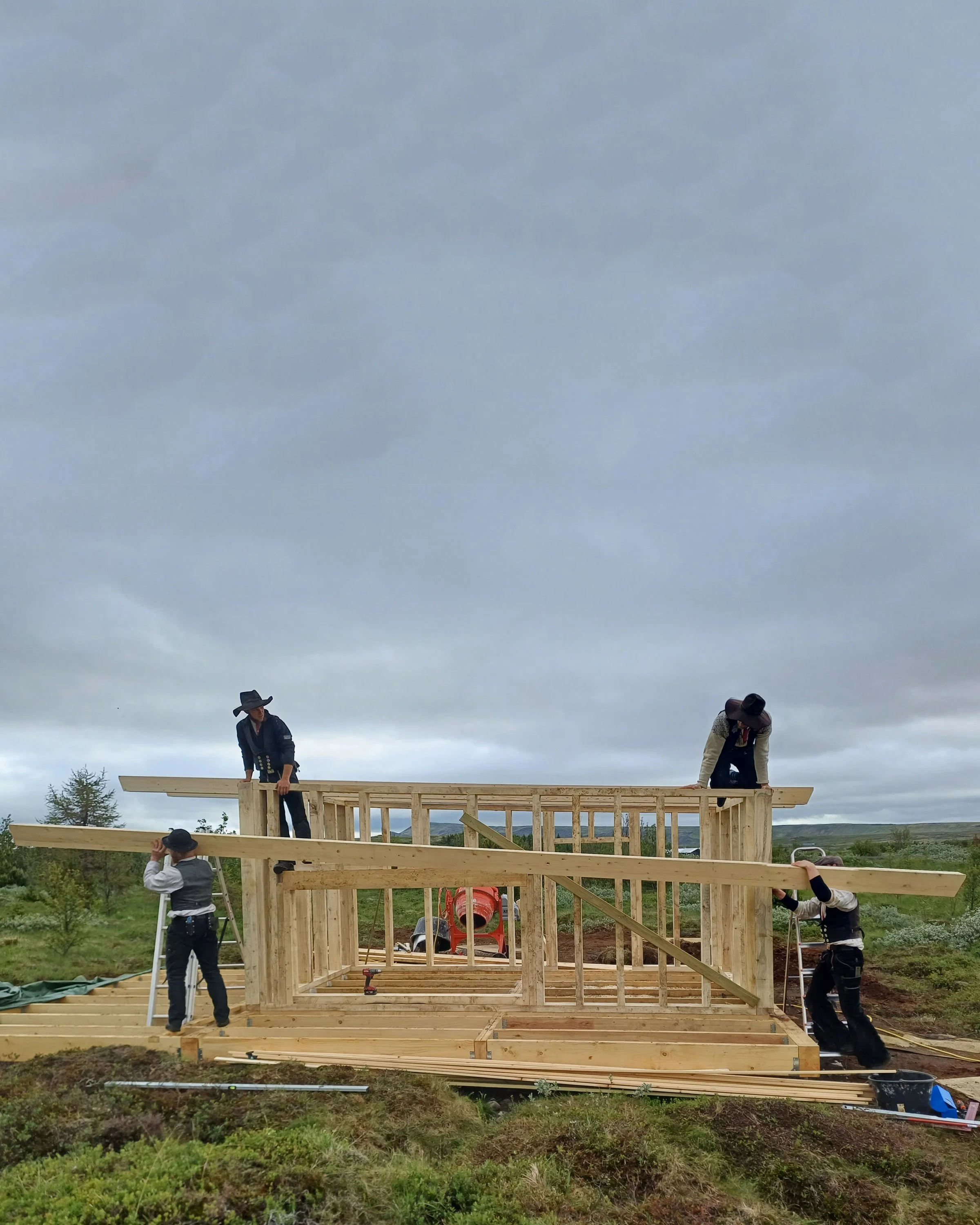
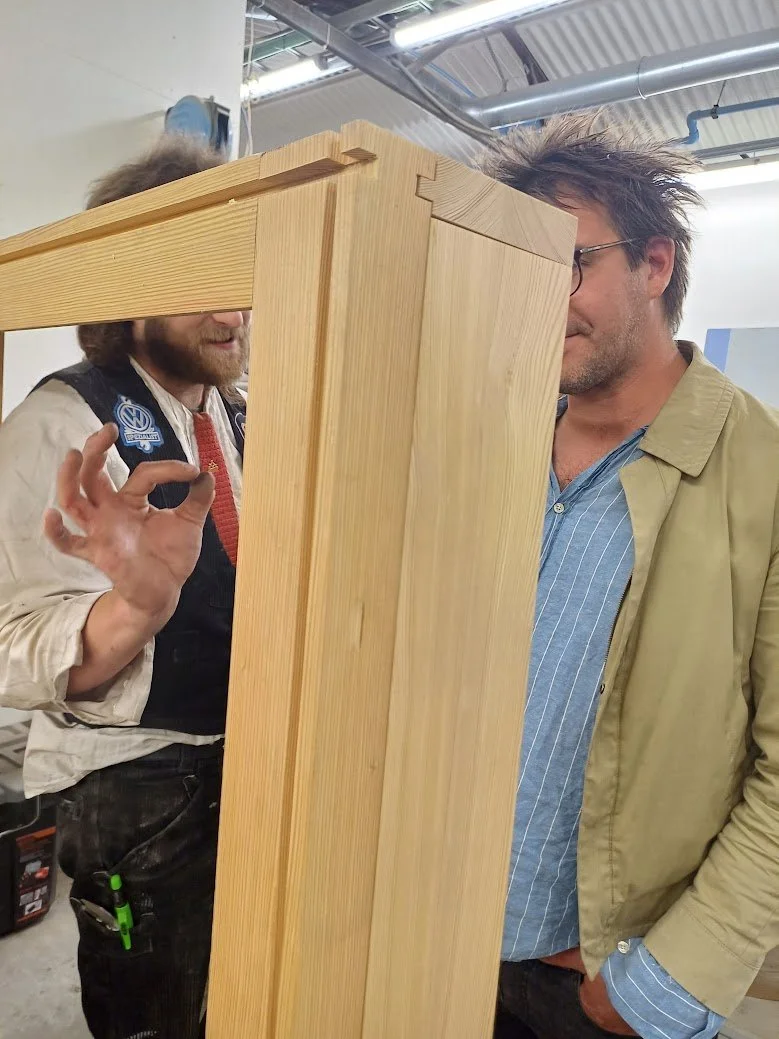
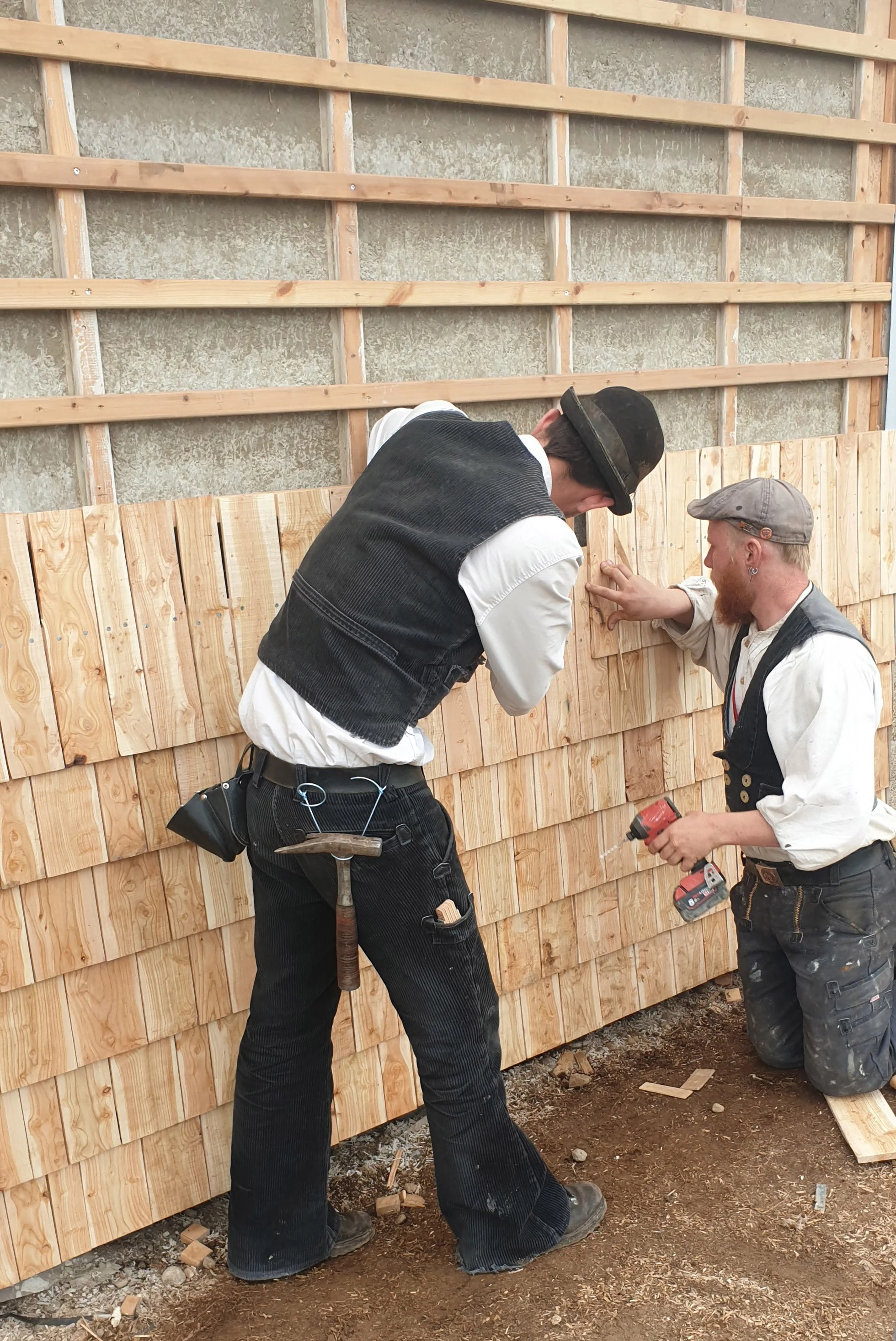
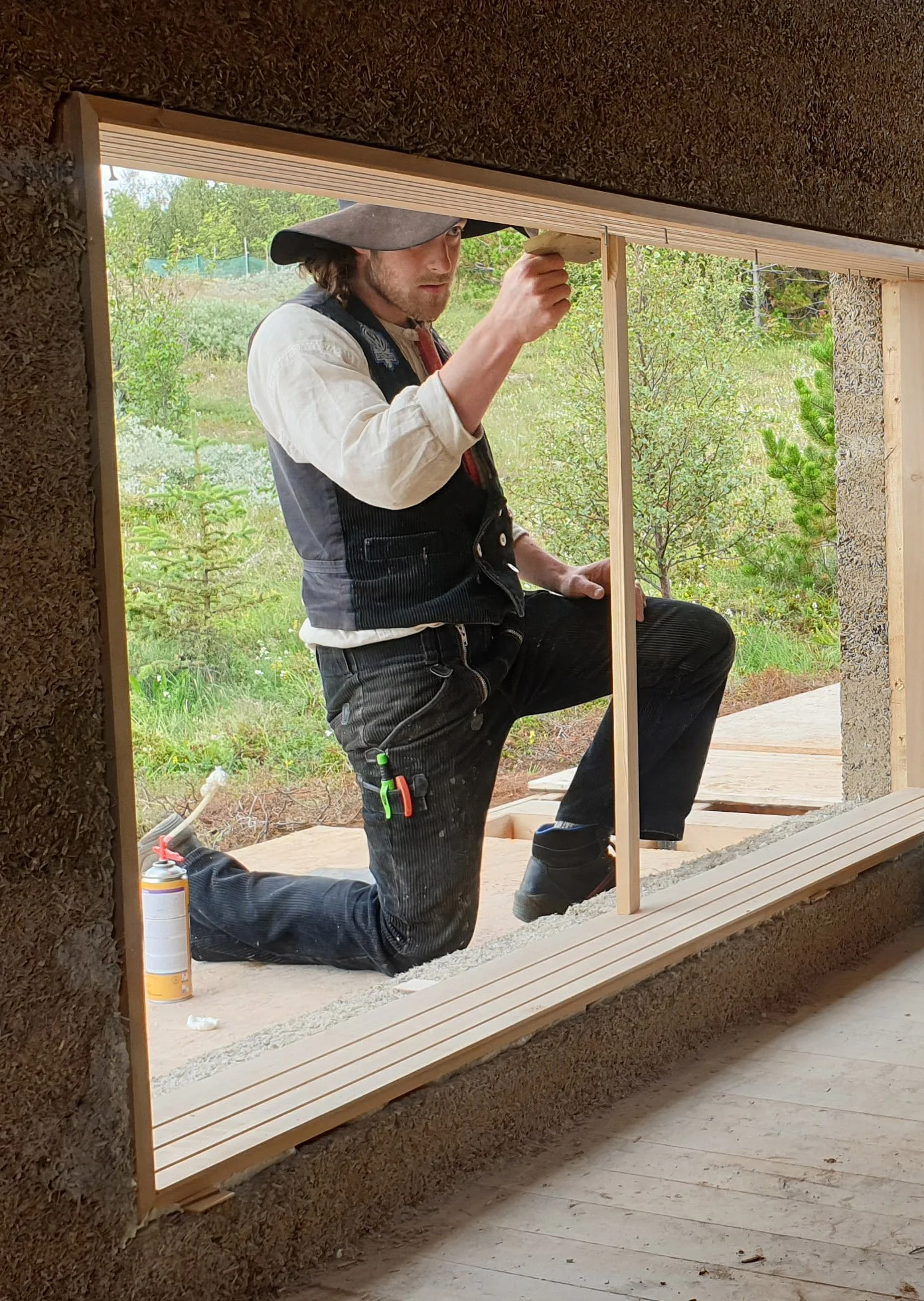
Through conversations with growers, researchers, engineers and craftspeople, the project took shape. The house was built by the German Wandergesellen (FFB) Bastian, Elias, Georg and Mattis, working closely with us throughout the construction process. The collaboration became an exchange of knowledge and skills. The joinery was made by Bastian and Jan.
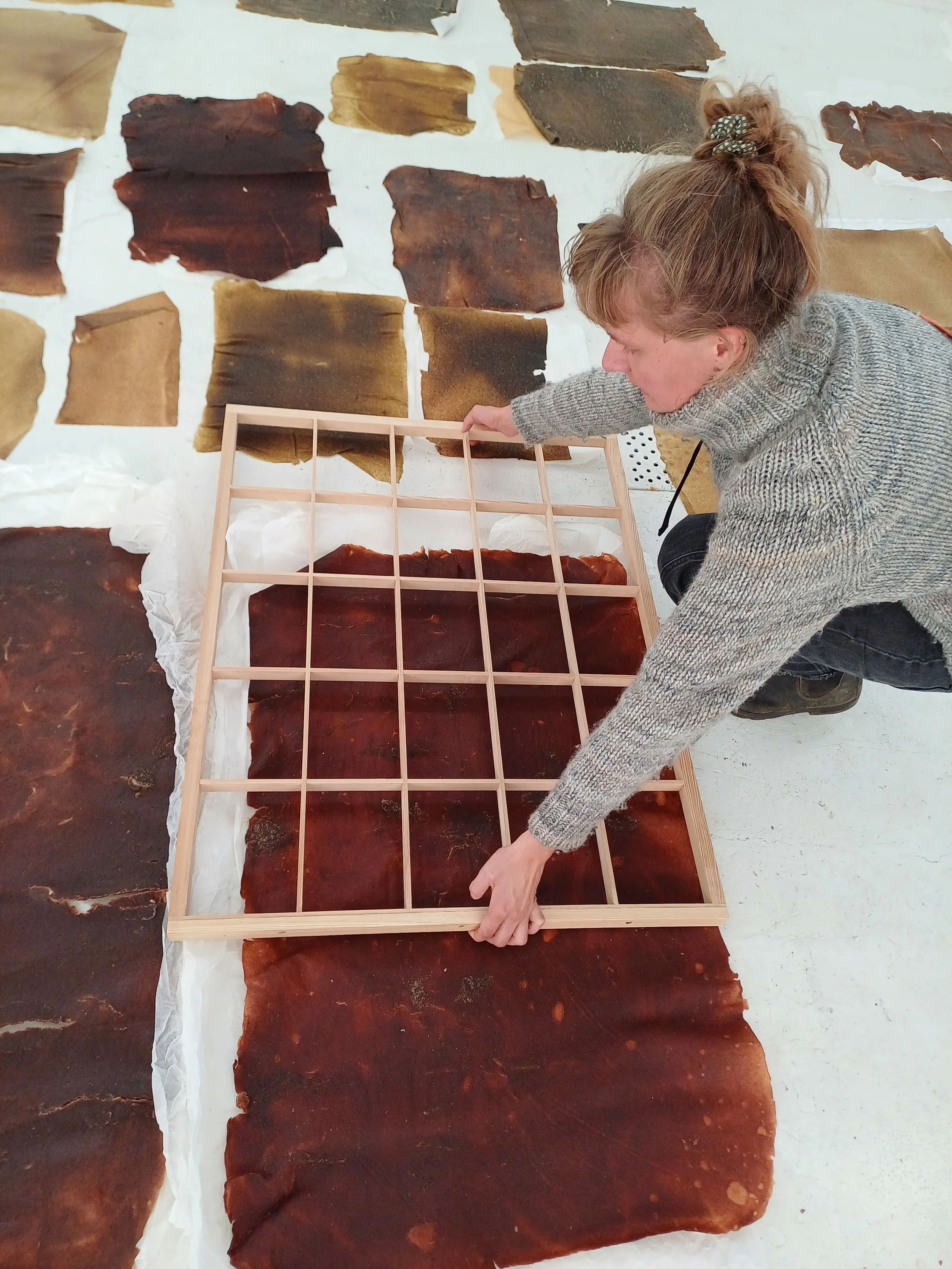
Structural design was carried out by Mannvit, with plumbing and very generous practical support during construction from Hampfirma. The seaweed screens were developed in collaboration with Alberte Bojesen. Photography and film of the completed building are by Studio CAPN.
Building together extended well beyond the site. Many people shared their knowledge and experience, assisted in sourcing materials and products, and offered their facilities for our use. The project would not have been possible without their generosity.

THE LCA STUDY
A life cycle assessment compared three material scenarios: the building as constructed, a version using Iceland-grown hemp and an alternative using concrete in place of hempcrete.
The results show the carbon footprint of each scenario, allowing the impact of different material choices to be compared directly.
TWO YEARS OF MONITORING
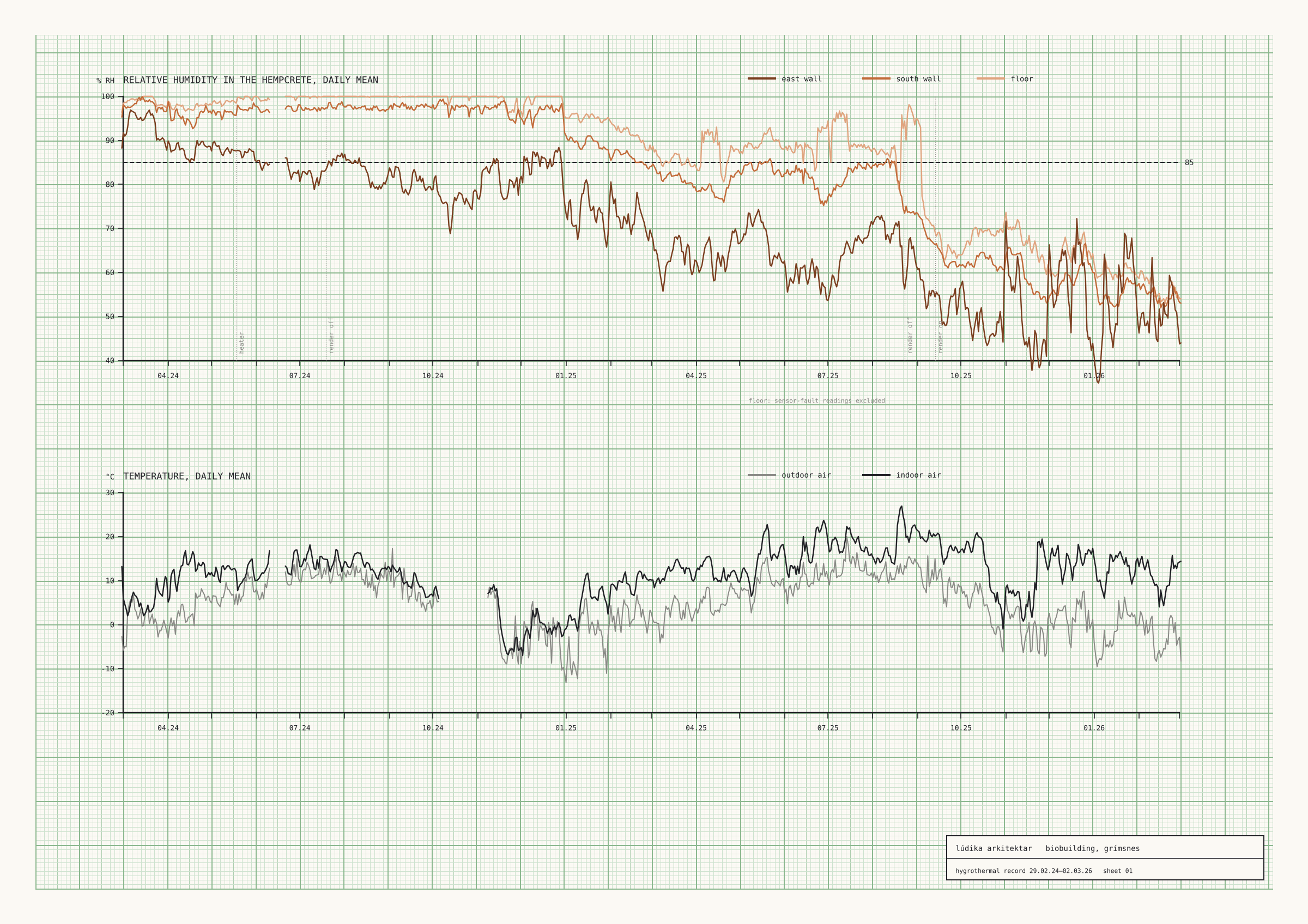
Temperature and relative humidity sensors were installed throughout the building, including within the hempcrete walls and floor, to monitor the performance of the materials under Icelandic conditions.
Two years of measurements show that the hempcrete walls dried from very high moisture levels following construction to a dry and stable condition. The process, however, took months rather than weeks, considerably longer than British guidance would suggest.
One of the most important findings is that casting hempcrete on site may not be the most suitable approach under Icelandic conditions. The slow drying process suggests that the next step should instead be prefabricated blocks or elements, produced and dried under controlled conditions before being transported to site.

Interim report for Askur, the Housing and Construction Research Fund.


WHAT HAS TO CHANGE
Concrete brought Iceland into modernity. It will not carry us into a regenerative future. For nearly nine hundred years we built with turf, stone and timber, in houses that needed constant care and returned to the earth; today we import almost everything we build with. This house could only be built because it stayed under 15 m² and the same rules that kept it small make its findings easy to dismiss as too small to matter.
Since 2025, Iceland has required life cycle assessments for many new buildings. Our own found that the house has roughly a third less embodied carbon than it would with concrete walls and floors, yet a wall mixed on site from hemp and lime still cannot be certified for use. Building with regenerative and reused materials has to become the norm, not the exception. What is missing is a route for them into the building code, and the will to open it now.